

Published on: 2025-10-02 | Written by: Dr. Hassan Mansour Hijab, Prof of Obstetrics
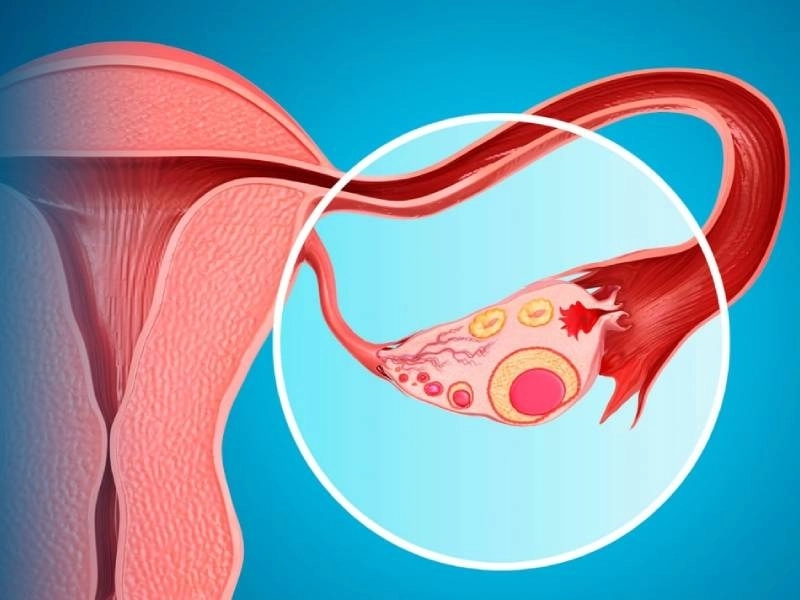
Gynecological tumors are critical health conditions that require careful monitoring and specialized medical intervention, due to their direct impact on women’s reproductive health and quality of life. This specialty includes diagnosing both benign and malignant tumors that may affect the uterus, ovaries, cervix, and breast, and early detection is considered the key to effective treatment and better outcomes.
Gynecological tumors include a variety of conditions that differ in severity and symptoms:
Uterine tumors: such as fibroids, which can cause heavy bleeding and persistent pain.
Ovarian tumors: including both benign and malignant types, which may require ovary removal or chemotherapy.
Cervical tumors: often associated with HPV infection and requiring careful follow-up and regular Pap smears.
Breast tumors: which can be benign or malignant, and early breast examination significantly reduces complications.
Dr. Hassan Mansour Hijab emphasizes that early diagnosis and the use of advanced medical imaging and screening techniques help detect tumors before they worsen.
Dr. Hassan Mansour Hijab stresses that regular screenings such as:
Pap smear tests
Mammography
Blood tests and tumor markers
are essential for prevention and early tumor detection, increasing the chances of successful treatment and reducing the need for extensive surgery.
Treatment varies according to tumor type and stage and includes:
Surgery: to remove the tumor or affected tissues.
Radiation therapy: to destroy cancer cells and limit tumor spread.
Chemotherapy: for malignant or advanced tumors.
Dr. Hassan Mansour Hijab emphasizes that selecting the optimal treatment method requires precise evaluation of each case to ensure the best results with minimal complications.
Regular medical check-ups and continuous follow-up.
Maintaining a healthy lifestyle including a balanced diet and exercise.
HPV vaccination to prevent cervical cancer.
Dr. Hassan Mansour Hijab confirms that continuous health awareness plays a vital role in reducing tumor risks and improving the chances of successful treatment.