
Published on: 2025-10-02 | Written by: Dr. Muhammad Ghanem Al-Falah Physical Therapy
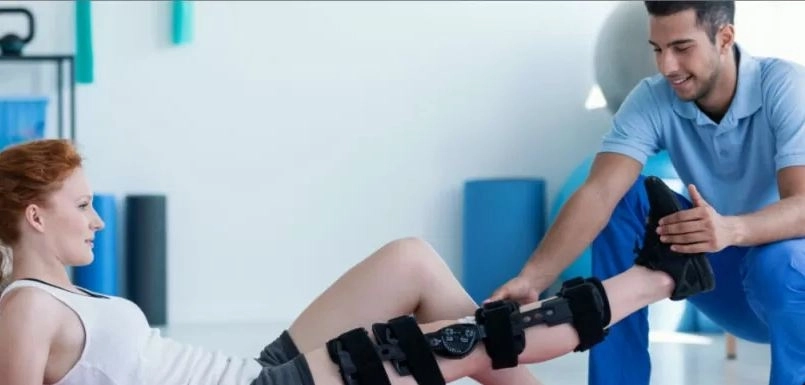
Post-surgical rehabilitation programs represent one of the fundamental pillars for the success of any surgical intervention, whether in orthopedics, neurology, or plastic and reconstructive surgery. Although surgery is performed with utmost precision, it is merely the first step; a scientifically planned medical rehabilitation program acts as the true bridge that transitions the patient from undergoing surgery to restoring normal body functions and returning to daily activities efficiently and safely.
Post-surgical rehabilitation programs are defined as integrated, personalized treatment plans tailored specifically for each patient based on the type of procedure performed, their overall health status, and their functional goals.
Dr. Mohamed Ghanem Al-Falah clarifies that the ultimate goal of surgical rehabilitation programs goes beyond merely relieving pain; it focuses on rebuilding muscle strength, improving the range of motion in treated joints, and preventing tissue adhesions or joint stiffness, thereby ensuring maximum benefit from surgical outcomes.
Alleviating Pain and Swelling: Managing natural side effects following surgical procedures.
Restoring Range of Motion (ROM): Mobilizing the joint or treated area to prevent stiffness and rigidity.
Strengthening Surrounding Musculature: Rebuilding muscle mass that may have been affected due to periods of rest or immobilization.
Preventing Surgical Complications: Minimizing the risk of deep vein thrombosis (DVT), fluid accumulation, and deep tissue adhesions.
Functional Rehabilitation: Training the patient to perform daily and professional tasks with their previous level of efficiency.
Rehabilitation programs progress through specific timeframes that align with the body's natural tissue healing phases.
Dr. Mohamed Ghanem Al-Falah points out that undergoing a phased rehabilitation program ensures that the healing tissue's load capacity is properly respected; rushing into strenuous exertion or overindulging in complete rest are major errors that can adversely affect surgical outcomes.
Stage One (Early Acute Phase): Begins immediately post-surgery and focuses on pain management, swelling reduction, and light walking or passive mobilization to protect the wound.
Stage Two (Tissue Protection and Expanding Range of Motion): Initiating stretching exercises and progressive active movements without heavy loads.
Stage Three (Muscle Strengthening and Balance Restoration): Utilizing progressive resistance exercises and balance devices to enhance the stability of the treated area.
Stage Four (Functional Rehabilitation and Independence): Simulating daily or athletic activities to guide the patient toward full recovery and self-reliance.
The field of medical rehabilitation has witnessed significant advancement in integrating modern technologies to accelerate healing and facilitate tissue response.
Dr. Mohamed Ghanem Al-Falah advises combining specialized manual therapy and targeted therapeutic exercises with modern technological modalities such as electrotherapy and ultrasound, emphasizing that this diversity accelerates healing and reduces reliance on pain medications.
Manual Therapy: Joint and soft tissue mobilization techniques to prevent post-surgical adhesions.
Electrical Muscle Stimulation (EMS): Activating dormant muscle fibers to prevent muscle atrophy.
Hydrotherapy: Reducing load and stress on joints and bones through water buoyancy during early stages.
Continuous Passive Motion (CPM) Devices: Mobilizing joints in smooth, controlled cycles without straining the patient.
Home care complements daily rehabilitation sessions to provide an optimal environment for tissue healing.
Dr. Mohamed Ghanem Al-Falah stresses that patient adherence to home instructions—such as maintaining correct sleeping and sitting postures and refraining from heavy lifting—represents half the journey toward complete recovery and protects surgical results from relapses.
Proper Wound Care: Keeping the surgical site clean and dry to prevent bacterial infection.
Balanced Nutrition and Hydration: Focusing on lean proteins, essential vitamins (such as Vitamin C and D), and water to support tissue synthesis.
Gradual Resumption of Daily Activities: Avoiding sudden exertion or unrecommended rapid movements.
Adherence to Prescribed Home Exercises: Performing simple stretching and activation exercises as scheduled by the specialist.
Early and Planned Initiation: Preparing for the rehabilitation program through coordination between the surgeon and rehabilitation specialist before or immediately after surgery.
Listen to Your Body: Informing the rehabilitation specialist of any abnormal or sharp pain during exercises.
Complete Abstain from Smoking: Nicotine impairs blood supply, significantly delaying wound and tissue healing.
Maintain Regular Follow-Ups with a Specialist:
Dr. Mohamed Ghanem Al-Falah emphasizes in his concluding advice that a rehabilitation program is not a secondary option, but an essential component of successful surgical management. Patient commitment to instructions and patience during the recovery phase serve as the true guarantee for restoring body health and natural movement with vitality and safety.