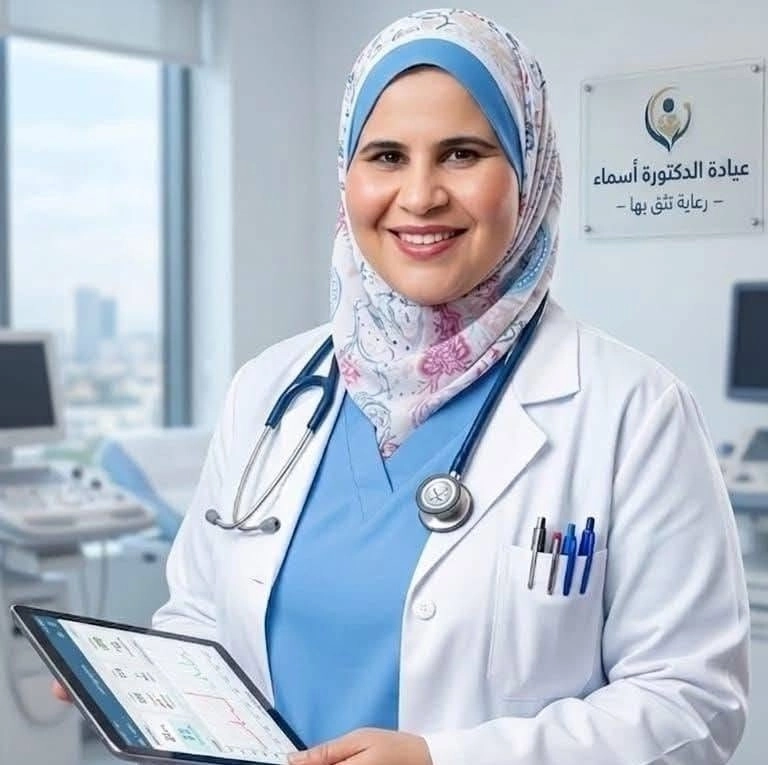

Published on: 2025-10-02 | Written by: Dr. Yasmine Ragab Ahmed Consultant Obstetrician

Artificial Insemination (IUI) and Intracytoplasmic Sperm Injection (ICSI) are among the most effective assisted reproductive technologies for treating infertility, helping thousands of couples achieve their dream of parenthood. The choice between these techniques depends on the underlying cause of infertility, the woman's age, and the results of comprehensive fertility evaluations. Continuous advances in reproductive medicine have significantly improved success rates and pregnancy outcomes. Dr. Yasmin Ragab stresses that an accurate diagnosis before starting treatment is the key to selecting the most appropriate fertility option for every couple.
The Difference Between Artificial Insemination and ICSI
Dr. Yasmin Ragab explains that Artificial Insemination (IUI) involves preparing and placing healthy sperm directly into the uterus during ovulation to increase the chances of fertilization, while Intracytoplasmic Sperm Injection (ICSI) involves retrieving mature eggs from the ovaries, injecting a single sperm into each egg in the laboratory, and then transferring the healthiest embryos into the uterus. The most suitable procedure is selected according to the medical condition and fertility evaluation of each couple.
Who May Benefit from Artificial Insemination or ICSI?
Dr. Yasmin Ragab confirms that Artificial Insemination (IUI) may be recommended for couples experiencing mild male-factor infertility, ovulation disorders, or unexplained infertility, whereas ICSI is generally the preferred option for severe male-factor infertility, blocked fallopian tubes, endometriosis, repeated failure of previous fertility treatments, or other complex fertility problems. Choosing the right treatment depends on detailed medical investigations and individualized fertility assessment.
Steps of the ICSI Procedure
Dr. Yasmin Ragab points out that the ICSI procedure begins with controlled ovarian stimulation using fertility medications, followed by ultrasound monitoring of follicle development, egg retrieval at the appropriate time, laboratory fertilization by injecting a single sperm into each mature egg, embryo culture and selection, and finally transferring high-quality embryos into the uterus, with careful adherence to medical instructions afterward to maximize the chances of successful implantation and pregnancy.
Tips to Improve Success Rates
Dr. Yasmin Ragab stresses the importance of attending all follow-up appointments, following a healthy balanced diet, maintaining a healthy body weight, avoiding smoking, reducing stress, taking prescribed medications exactly as directed, and avoiding comparisons with other patients' experiences, as every fertility journey is unique and close cooperation with the treating physician plays a significant role in improving the success rates of both Artificial Insemination (IUI) and Intracytoplasmic Sperm Injection (ICSI).
When Should You Consult a Fertility Specialist?
Dr. Yasmin Ragab explains that couples should consult a fertility specialist if pregnancy has not occurred after one year of regular unprotected intercourse, or after six months if the woman is over 35 years old, or if there are ovulation disorders, recurrent miscarriages, or any known fertility-related medical conditions, because early diagnosis and selecting the most appropriate fertility treatment can significantly improve the chances of conception through the latest assisted reproductive technologies.