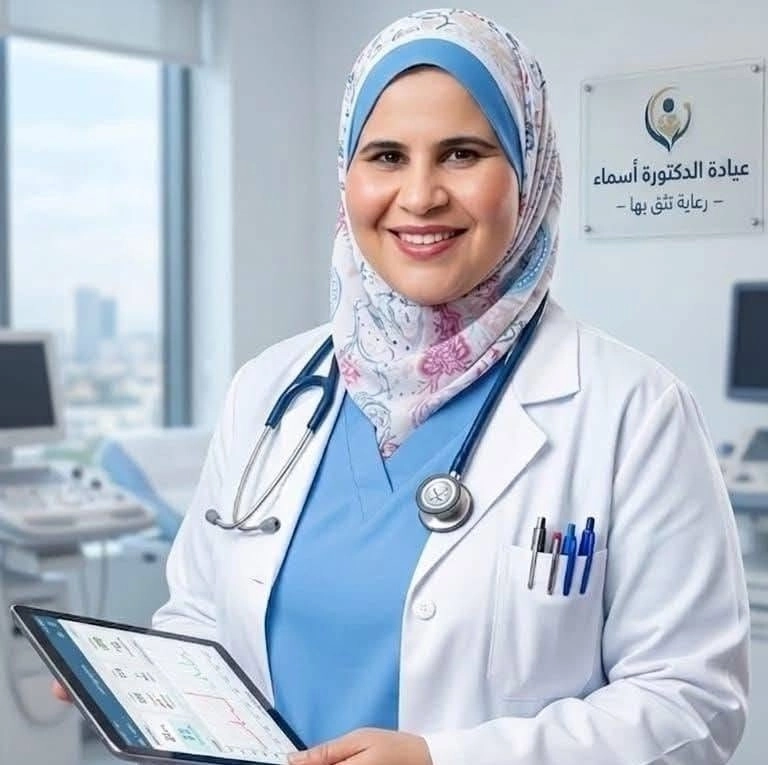

Published on: 2025-10-02 | Written by: Dr. Yasmine Ragab Ahmed Consultant Obstetrician

Infertility and recurrent miscarriage are common reproductive health challenges that may affect some couples and reduce their chances of achieving a successful pregnancy. However, remarkable advances in diagnostic methods and fertility treatments have made it possible to accurately identify the underlying causes and develop personalized treatment plans that improve the likelihood of conception and maintaining a healthy pregnancy. Dr. Yasmin Ragab stresses that early evaluation and comprehensive investigations for both partners are the foundation for selecting the most effective treatment and achieving the best possible outcomes.
Causes of Infertility and Recurrent Miscarriage
Dr. Yasmin Ragab explains that infertility may result from ovulation disorders, polycystic ovary syndrome (PCOS), blocked fallopian tubes, endometriosis, diminished ovarian reserve, or male-factor infertility such as poor sperm count or motility, while recurrent miscarriage may be caused by chromosomal abnormalities, uterine malformations, cervical insufficiency, hormonal disorders, blood clotting disorders, or immune system abnormalities. Identifying the exact cause is essential for choosing the most appropriate treatment strategy.
Accurate Diagnosis
Dr. Yasmin Ragab confirms that diagnosing infertility and recurrent miscarriage requires a detailed medical history, hormonal blood tests, specialized investigations for blood clotting and immune disorders when indicated, genetic testing in selected cases, ultrasound examinations, assessment of the uterus and fallopian tubes, and semen analysis for the male partner, as a comprehensive evaluation helps physicians develop an individualized treatment plan for each couple.
Modern Treatment Options
Dr. Yasmin Ragab points out that the treatment of infertility and recurrent miscarriage depends entirely on the underlying cause and may include hormonal regulation, ovulation induction, treatment of infections or thyroid disorders, medications for clotting or immune-related conditions, corrective surgery for uterine abnormalities when necessary, and advanced fertility treatments such as Artificial Insemination (IUI) or Intracytoplasmic Sperm Injection (ICSI) to improve the chances of conception and maintaining a healthy pregnancy.
Tips to Improve the Chances of a Healthy Pregnancy
Dr. Yasmin Ragab stresses the importance of attending regular follow-up appointments, maintaining a healthy body weight, eating a balanced diet rich in essential vitamins and minerals, taking folic acid before and during pregnancy as prescribed, avoiding smoking and excessive caffeine intake, controlling chronic conditions such as diabetes and hypertension, and managing stress effectively, as these measures can improve fertility, reduce the risk of miscarriage, and increase the likelihood of a successful full-term pregnancy.
When Should You Consult a Gynecologist?
Dr. Yasmin Ragab explains that couples should seek medical advice if pregnancy has not occurred after one year of regular unprotected intercourse, or after six months if the woman is over 35 years old, or if there have been two or more recurrent miscarriages, irregular menstrual cycles, or chronic medical conditions affecting fertility, because early diagnosis and appropriate treatment play a vital role in preserving reproductive health and improving the chances of a healthy pregnancy and safe delivery.