

Published on: 2025-09-30 | Written by: Dr. Abdel Rahman Youssef, Consultant General
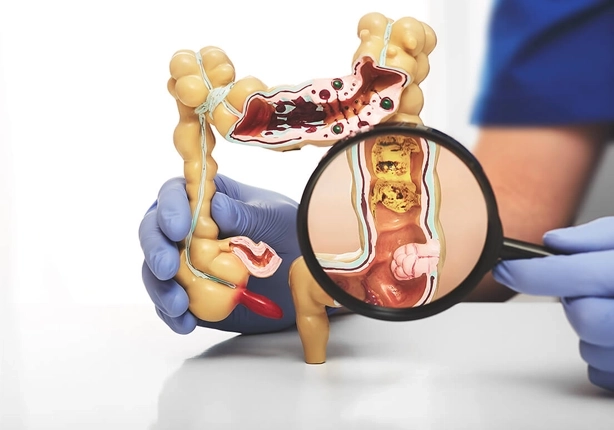
Colorectal and anal surgery is considered one of the most precise branches of general surgery, focusing on diagnosing and treating conditions that affect the anus, rectum, and lower colon. This type of surgery is crucial for managing common problems such as hemorrhoids, anal fissures, fistulas, and rectal cancers, which directly impact the patient’s quality of life and overall health.
Several conditions may require surgical intervention, including:
Hemorrhoids: when they reach advanced stages and do not respond to medications.
Chronic anal fissures: causing severe pain and recurrent bleeding.
Anal fistulas: abnormal connections that need precise surgical treatment.
Rectal cancer: which may require tumor removal while preserving digestive function.
Rectal prolapse: leading to difficulties in control and defecation.
Colorectal and anal surgery has advanced significantly with modern techniques that reduce pain and speed up recovery, such as:
Minimally invasive laparoscopic surgery.
Laser-based surgical procedures.
Tissue-preserving operations for better outcomes.
Here, Dr. Abdelrahman Yous emphasizes that choosing a specialized surgeon in this field is a key step for success and minimizing complications.
Dr. Abdelrahman Yous also stresses that accurate diagnosis before surgery helps in selecting the best treatment plan tailored to each patient.
Recovery after surgery is just as important as the procedure itself and includes:
Monitoring the surgical site and maintaining proper hygiene.
Strictly following prescribed medications.
Adopting a fiber-rich diet to prevent constipation.
Here, Dr. Abdelrahman Yous explains that patient compliance with post-operative instructions plays a major role in fast recovery and preventing recurrence.
Seek medical advice immediately if unusual symptoms appear.
Never ignore rectal bleeding, even if minor.
Maintain a healthy lifestyle to reduce risk factors.
Dr. Abdelrahman Yous confirms that medical awareness plays an important role in avoiding complications and achieving better post-surgical outcomes.