
Published on: 2025-09-29 | Written by: Dr. Ghada Saad Mangoud Obstetrics and Gynecology
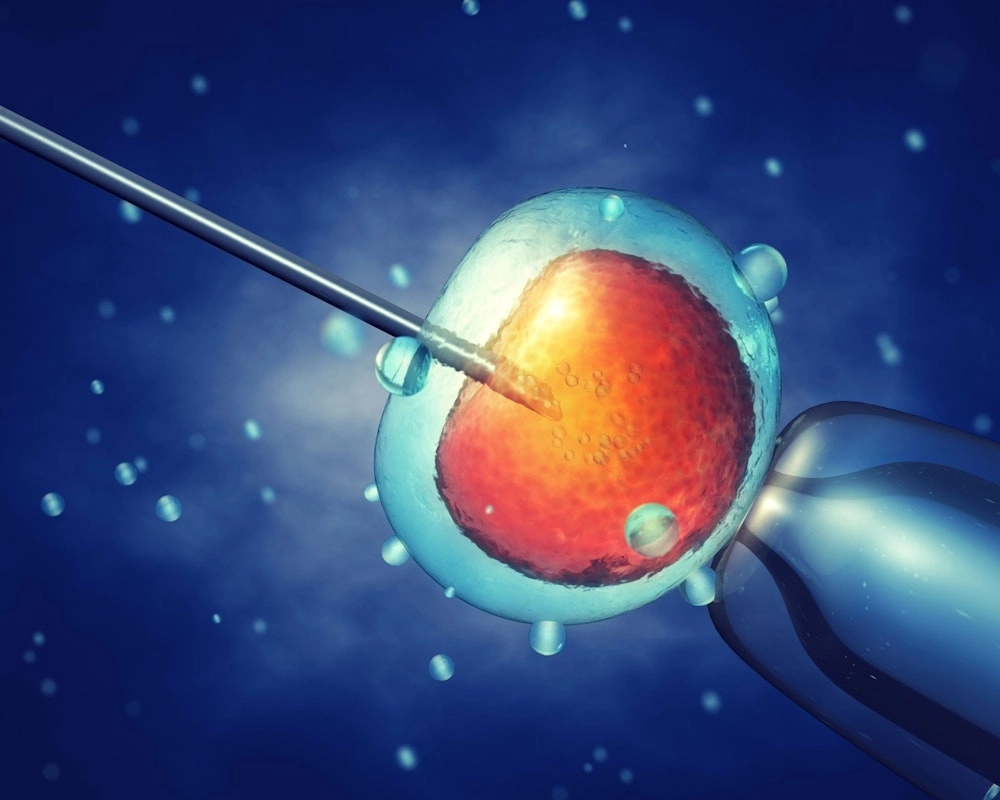
Infertility treatment and Intracytoplasmic Sperm Injection (ICSI) technologies represent one of the most significant scientific leaps in the field of reproductive medicine and assisted fertilization. This advanced technology has opened doors of hope for millions of couples facing challenges and difficulties in natural reproduction. The ICSI procedure relies on precise techniques involving the selection of the finest single sperm and injecting it directly into the cytoplasm of a fully mature egg under a microscope, significantly increasing fertilization rates and the formation of healthy embryos capable of successful uterine implantation and development.
ICSI represents the most precise and advanced medical option for managing refractory infertility cases that have not responded to traditional therapeutic and pharmacological solutions.
Dr. Ghada Saad Mangoud clarifies that ICSI bypasses the physiological barriers that prevent natural pregnancy, granting couples a genuine opportunity to build a family even in the presence of severe sperm deficiencies or tubal blockage issues in the wife.
Boosting Direct Fertilization Rates: Ensuring the genetic material of the sperm reaches the heart of the egg with high precision.
Treating Severe Male Infertility: The ability to utilize very small numbers of sperm, even in cases of surgical testicular extraction.
Overcoming Tubal and Uterine Challenges: Providing a radical solution for blocked fallopian tubes or severe pelvic adhesions.
Proactive Genetic Embryo Screening (PGD/PGS): Verifying chromosomal health and ruling out genetic disorders prior to transferring embryos back to the uterus.
There are numerous medical reasons that necessitate undergoing ICSI examinations and techniques to achieve a safe and successful pregnancy.
Dr. Ghada Saad Mangoud points out that determining the appropriate treatment plan for the couple and evaluating the quality of reproductive cells prior to starting the stimulation cycle are the foundational pillars for achieving maximum success rates, emphasizing that comprehensive, precise diagnosis is the primary safety step.
Delayed Pregnancy Due to Male Factors: Extremely low sperm counts, poor motility, or high morphological abnormalities.
Damaged or Blocked Fallopian Tubes: Inability to capture the egg or obstruction of natural sperm access.
Endometriosis: Advanced cases affecting egg quality and causing pelvic adhesions.
Unexplained Infertility: Continued delay in conception despite normal baseline evaluations for both partners.
Polycystic Ovary Syndrome (PCOS): Cases suffering from ovulation disorders and non-responsiveness to traditional ovulation inductors.
The ICSI therapeutic cycle undergoes integrated medical and laboratory steps under meticulous supervision and continuous monitoring.
Dr. Ghada Saad Mangoud advises selecting the appropriate hormonal stimulation protocol tailored to the patient's age and ovarian reserve, emphasizing that precise evaluation via ultrasound and hormonal assays ensures the retrieval of top-quality eggs and prevents complications.
Ovarian Stimulation and Growth Monitoring: Utilizing dedicated hormonal medications to stimulate the growth of an optimal number of eggs.
Egg Retrieval: A safe, minor procedure performed under light sedation to extract eggs through the vagina.
Sperm Preparation and ICSI: Selecting the fastest, highest-quality sperm elements and injecting them into the eggs within the laboratory.
Embryo Incubation and Cleavage Evaluation: Monitoring the growth and division of embryos inside advanced incubators providing an ideal vital environment.
Embryo Transfer to the Uterus: Returning the highest-quality embryos to the uterine cavity on day three or five following retrieval.
The stage following embryo transfer requires precise health and psychological instructions to enhance the chances of pregnancy maintenance.
Dr. Ghada Saad Mangoud stresses that strict adherence to prescribed doses of pregnancy support medications and avoiding physical exhaustion and psychological stress play a pivotal role in supporting the stability of the embryo within the uterine lining.
Adhere to Medications and Supports: Take prescribed treatments precisely on schedule.
Balanced Rest and Avoiding Strain: Engage in light daily activities and avoid heavy lifting or strenuous exercise.
Healthy Nutrition and Hydration: Increase intake of fiber- and protein-rich foods and drink water to prevent constipation.
Avoid High Heat and Chemical Products: Refrain from very hot baths or using vaginal douches without medical consultation.
Perform a Quantitative Blood Pregnancy Test (Beta-hCG): On the fourteenth day following embryo transfer to accurately confirm pregnancy.
Pre-Evaluation and Uterine Preparation: Assessing the uterine cavity lining, blood clotting panels, and thyroid testing prior to initiating the cycle.
Embryo Freezing Technology: Transferring embryos in a subsequent frozen cycle if uterine lining conditions are suboptimal during a fresh cycle.
Adopt a Healthy Lifestyle for Both Partners: Quitting smoking, managing weight, and taking nutritional supplements to optimize reproductive cell quality.
Maintain Ongoing Follow-Ups with Your Specialist:
Dr. Ghada Saad Mangoud emphasizes in her concluding advice that ICSI is an integrated scientific pathway that inspires hope, noting that patience, adherence to the treatment plan, and reliance on modern technologies are the true steps toward welcoming a new newborn and building a happy, healthy family.