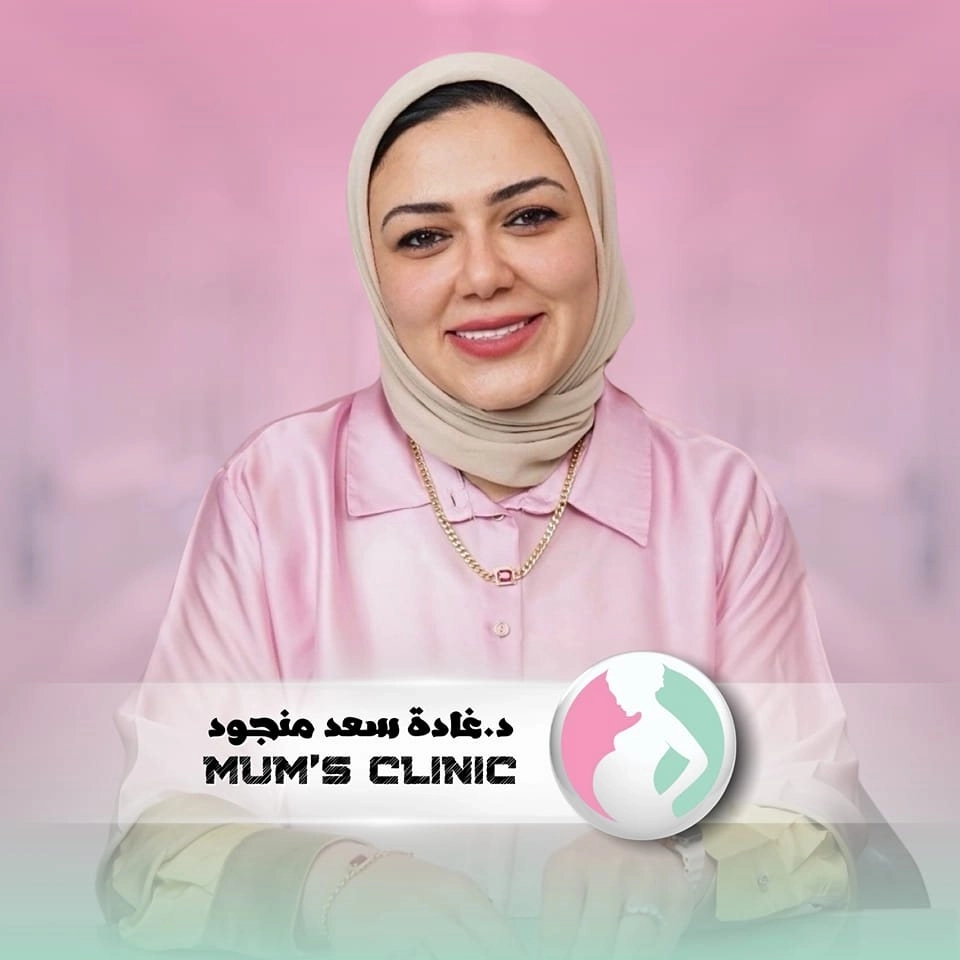

Published on: 2025-09-29 | Written by: Dr. Ghada Saad Mangoud Obstetrics and Gynecology

Painless Natural Delivery is one of the most significant and prominent medical breakthroughs in the field of obstetrics and gynecology. This advanced technique has successfully transformed common perceptions regarding the fears and pains of labor, turning the journey of welcoming a newborn into an entirely positive and comfortable experience for the mother. The technique relies on advanced regional anesthesia methods (such as an Epidural) to overcome the pain of uterine contractions during labor, without ever affecting the mother's consciousness, her ability to push the fetus, or her experience of all the joyful moments of birth.
The technique of painless natural delivery aims to improve the labor experience and relieve the mother from severe stress and acute pain associated with uterine contractions and cervical dilation.
Dr. Ghada Saad Mangoud clarifies that painless natural delivery represents an ideal solution combining complete medical safety with the absolute alleviation of a woman's fear of traditional labor pain, providing the mother with a calm and enjoyable experience while welcoming her baby without experiencing severe physical or psychological exhaustion.
Blocking Neural Pain Signals: Temporarily and safely halting the transmission of pain signals from the uterus and cervix to the brain.
Maintaining Full Maternal Consciousness: Enabling the mother to communicate and interact fully with the medical team and hear her baby's cry immediately upon birth.
Regulating Blood Pressure and Heart Rate: Protecting the mother from sudden spikes in blood pressure resulting from intense fear and pain.
Accelerating Postpartum Recovery: Giving the mother the opportunity to initiate breastfeeding and care for her newborn immediately after delivery without strain.
There are numerous medical techniques available to provide a comfortable, pain-free natural delivery, with the most appropriate one selected based on the wife's health status and the supervising physician's evaluation.
Dr. Ghada Saad Mangoud points out that advancements in Epidural Block techniques and Patient-Controlled Analgesia (PCA) pumps have made it possible to adjust anesthesia doses with extreme precision, ensuring only the pelvic region is numbed without affecting leg movement or the ability to push naturally during birth.
Epidural Anesthesia: Administering light, continuous doses of local anesthetic into the space surrounding the spinal cord in the back to permanently reduce pain.
Patient-Controlled Analgesia (PCA) Pump: Allowing the mother to administer a safe dose when needed under strict medical supervision.
Combined Spinal-Epidural (CSE): A technique combining speed and extended effectiveness during advanced stages of labor.
Non-Pharmacological Supportive Methods: Breathing exercises, massage, and relaxation in warm water prior to administering the epidural.
The painless delivery process follows precise, well-studied medical protocols beginning in the final months of pregnancy and extending through successful delivery.
Dr. Ghada Saad Mangoud advises conducting a comprehensive medical evaluation of the mother prior to delivery and choosing the optimal time to administer the epidural (typically when the cervix is dilated 3 to 4 cm), emphasizing that meticulous examination and continuous fetal heart monitoring ensure maximum safety for both mother and child.
Proactive Evaluation and Clotting Tests: Verifying blood test safety and determining medical suitability for regional anesthesia.
Onset of Active Labor Phase: Closely monitoring uterine contractions and identifying the ideal moment for regional anesthesia.
Insertion of the Fine Back Catheter: A simple, safe procedure performed by an anesthesia consultant to administer doses smoothly.
Fetal Expulsion and Pushing Phase: Guiding the mother via the physician to push the fetus during contractions without experiencing any pain.
Postpartum Observation: Ensuring stable health status, uterine integrity, and the initiation of direct skin-to-skin contact between mother and newborn.
The postpartum period requires following a set of simple medical instructions to ensure tissue recovery and the return of vital systems to normal in record time.
Dr. Ghada Saad Mangoud emphasizes that light movement and getting out of bed a few hours after delivery significantly help stimulate blood circulation, prevent blood clots, and reduce muscle and joint pain.
Light Movement and Gradual Walking: Helping restore bowel activity and preventing constipation.
Perinatal Wound Care (If Applicable): Washing the perineal area with warm water and an antiseptic solution according to physician guidelines.
Balanced Nutrition and Fluids: Consuming vegetables, fruits, and proteins to support milk production and accelerate wound healing.
Adequate Rest and Regular Sleep: Utilizing the infant's sleep times to obtain sufficient psychological and physical rest.
Pelvic Floor Exercises (Kegel Exercises): Following consultation with the physician to strengthen muscles and restore natural elasticity.
Choosing a Well-Equipped Hospital and Medical Center: Ensuring the presence of a specialized anesthesia team and an integrated care unit for mothers and newborns.
Prioritizing Nutrition and Fitness During Pregnancy: Engaging in regular walking and limiting excessive weight gain for easier delivery.
Psychological Preparation and Medical Education: Steer clear of negative experiences and maintain full awareness of all steps involved in painless delivery.
Maintain Ongoing Follow-Ups with Your Specialist:
Dr. Ghada Saad Mangoud emphasizes in her concluding advice that painless natural delivery has become a safe, available medical option that grants the mother a unique human experience, noting that early planning, meticulous monitoring, and reliance on modern technologies are the fundamental pillars for navigating this stage safely and welcoming a healthy, sound infant.