

Published on: 2025-09-27 | Written by: Dr. Hadeer Hossam Abdel Qader Physical Therapy
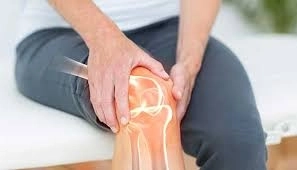
Knee osteoarthritis and joint problems are common conditions that can affect mobility and the ability to perform daily activities. They may cause pain, stiffness, and difficulty walking or climbing stairs. Early diagnosis and appropriate treatment can help relieve symptoms and improve joint function, with the treatment plan varying according to the nature of the condition and its impact on the joint.
Physical therapy is an important approach to managing knee osteoarthritis and many joint problems. It relies on therapeutic exercises, muscle strengthening, and flexibility and balance training to support the joint and reduce the pressure placed on it.
What Is Knee Osteoarthritis?
Knee osteoarthritis is a condition in which the cartilage covering the surfaces of the bones inside the knee joint gradually wears down. This may increase friction between the bones, leading to pain, stiffness, and difficulty moving. Knee osteoarthritis may be associated with aging, excess weight, previous injuries, or repeated stress on the joint.
The most common symptoms of knee osteoarthritis include:
Knee pain while walking or standing for long periods.
Difficulty climbing up and down stairs.
Knee stiffness after waking up or sitting for an extended period.
Joint swelling or discomfort during movement.
Grinding or clicking sounds when bending the knee.
Reduced mobility and difficulty performing daily activities.
The severity of symptoms varies from person to person. Clicking sounds alone do not necessarily indicate osteoarthritis. Diagnosis depends on the symptoms and medical examination, and the physician may request imaging when appropriate.
Causes of Knee Osteoarthritis and Joint Problems
Several factors may increase the likelihood of developing knee osteoarthritis or joint problems, including:
Aging and the changes that occur in cartilage over time.
Excess weight, which increases pressure on the knee joints.
Previous knee or ligament injuries.
Repeated stress on the joint due to certain daily or occupational activities.
Weakness of the muscles surrounding the knee, which may affect joint stability.
Certain genetic factors or health conditions that affect the joints.
Joint pain may also result from inflammation, tendon or ligament injuries, or other causes. Therefore, identifying the underlying cause is important before starting treatment.
Treatment of Knee Osteoarthritis Through Physical Therapy
Physical therapy can help relieve pain and improve mobility in many people with knee osteoarthritis, particularly when they follow an appropriate treatment program. The goal is to strengthen the muscles surrounding the joint, improve flexibility, and reduce the impact of pain on daily activities.
Physical therapy methods include:
Muscle-strengthening exercises: Help strengthen the thigh and leg muscles to support the knee joint and improve stability.
Flexibility exercises: Help reduce stiffness and improve the joint's range of motion.
Balance exercises: Help improve movement control and reduce the risk of losing balance.
Movement rehabilitation: Helps improve the ability to walk, stand, and climb stairs.
Correct movement training: Helps reduce pressure on the knee during daily activities.
Modifying daily activities: Includes organizing rest and movement periods and avoiding excessive joint strain.
The type and intensity of exercises are determined according to the severity of osteoarthritis and the patient's ability to move. Exercises that cause a noticeable increase in pain should be avoided.
Common Joint Problems and How to Manage Them
Joint problems are not limited to knee osteoarthritis. They also include several conditions that may affect mobility and flexibility.
1. Joint Pain
Joint pain may result from strain, injuries, inflammation, or changes in cartilage. Treatment depends on identifying the cause and may include physical therapy, appropriate exercises, or medical treatment based on the diagnosis.
2. Arthritis
Arthritis may cause joint pain, swelling, stiffness, and difficulty moving. Its causes vary and may include inflammatory diseases and other conditions. Medical assessment is therefore necessary to determine the appropriate treatment. Physical therapy can help maintain mobility and function when suitable for the condition.
3. Joint Stiffness
Joint stiffness appears as difficulty moving a joint and may become more noticeable after periods of rest or inactivity. Gradual movement exercises and appropriate stretching may help improve flexibility. However, cases accompanied by swelling or severe pain should be evaluated.
4. Ligament and Tendon Injuries
Injuries to the ligaments and tendons surrounding the joints may cause pain, swelling, and reduced stability. Rehabilitation depends on the type and severity of the injury and may include gradual strengthening exercises, balance training, and safe restoration of movement.
5. Weakness of the Muscles Surrounding the Joints
Muscle weakness can affect the joint's ability to bear loads and move efficiently. An appropriate strengthening program can help support the joint and improve physical performance while taking each person's health condition into account.
The Role of Nutrition and Weight Management in Relieving Knee Osteoarthritis
Excess weight affects the joints, especially the knees, because it increases the load placed on them while standing and walking. Therefore, weight loss when needed may help reduce pressure on the knee joint and improve mobility.
Healthy habits that support joint health include:
Following a balanced diet containing protein, vegetables, and fruits.
Maintaining an appropriate body weight.
Engaging in physical activity suitable for the condition.
Including sources of calcium and vitamin D according to individual health needs.
Avoiding excessive activities that increase pain or strain the joint.
Proper nutrition does not replace medical assessment or physical therapy when needed, especially if pain persists or is accompanied by swelling or significant difficulty moving.
Daily Tips for People with Knee Osteoarthritis
Certain daily changes may help improve comfort and mobility, including:
Avoid standing for long periods without taking breaks.
Reduce repeated stair climbing if it increases pain.
Wear comfortable shoes suitable for walking.
Perform prescribed exercises regularly and gradually.
Avoid sitting in positions that place excessive pressure on the knee for extended periods.
Do not ignore persistent, worsening, or unexplained swelling or pain.
Consult a physician before using painkillers or anti-inflammatory medications repeatedly.
It is important to understand that complete rest for long periods may increase muscle weakness and stiffness. Therefore, maintaining appropriate movement according to the patient's ability and the specialist's recommendations is preferable.
Treatment of Knee Osteoarthritis and Joint Problems at Experts Physio House Clinic
Experts Physio House Clinic provides physical therapy and clinical nutrition services, including movement rehabilitation programs that help manage knee osteoarthritis, joint pain, and muscle and ligament problems according to each patient's needs.
Physical therapy and rehabilitation services include:
Physical therapy programs for knee osteoarthritis.
Exercises to strengthen the muscles surrounding the joints.
Rehabilitation to improve flexibility and range of motion.
Assistance in restoring the ability to walk and perform daily movements.
Rehabilitation for muscle strains and ligament problems.
Rehabilitation sessions following surgical procedures.
Movement rehabilitation programs for certain injuries and neurological conditions, according to the assessment.
Clinical nutrition services that may help with weight management when needed.
Conclusion
Knee osteoarthritis and joint problems require an accurate diagnosis to identify the cause and determine the extent to which the condition affects mobility. Physical therapy and appropriate therapeutic exercises, together with weight management and modifications to daily activities, can help relieve pain and improve flexibility and mobility. The appropriate treatment program depends on each patient's condition and the assessment of a physician or physical therapist.