
Published on: 2025-09-25 | Written by: Egypt Laser Center Dr. Maha Samir Master of Dermatology
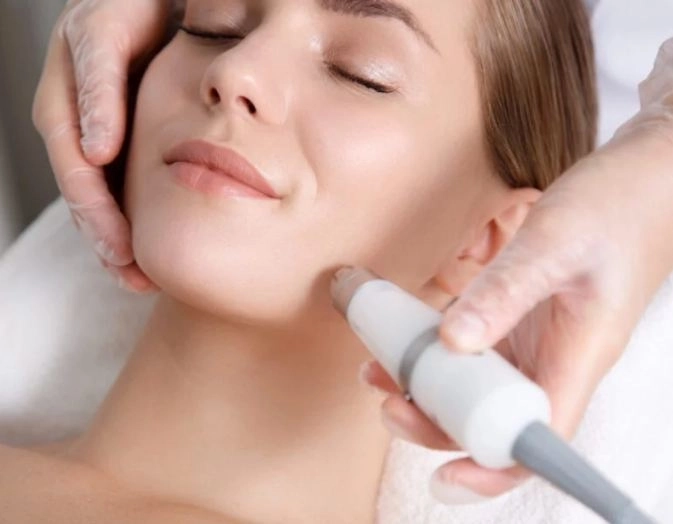
Fractional laser is one of the cosmetic techniques used to improve the appearance of the skin and treat acne scars, pigmentation, and skin blemishes. It works by creating precise thermal micro-injuries in the skin to stimulate natural renewal processes and collagen production. Results vary depending on skin type, scar depth, and the degree of pigmentation. Therefore, a medical professional determines whether the treatment is suitable and how many sessions may be needed for each individual.
Dr. Maha Samir provides skincare and cosmetic services. A medical assessment can help determine whether fractional laser is suitable for treating acne scars, improving skin texture, and enhancing the overall appearance of the skin.
What Is Fractional Laser and How Does It Work to Rejuvenate the Skin?
Fractional laser is a cosmetic procedure that directs laser beams at precise areas of the skin while leaving the surrounding tissue untreated. This can help accelerate recovery compared with some laser techniques that treat the entire skin surface.
The procedure stimulates collagen and elastin production, which are essential for maintaining skin elasticity and smoothness. It may be used to improve the appearance of superficial scars, fine wrinkles, and certain types of pigmentation, depending on the device used and the nature of the skin condition.
Treating Acne Scars with Fractional Laser
Acne scars are among the skin problems that may persist after acne disappears. They may appear as depressions, scars, or uneven skin texture. Fractional laser can help improve the appearance of certain types of acne scars by stimulating skin renewal and collagen remodeling.
The main benefits of fractional laser for acne scars include:
Improving the appearance of superficial acne scars and depressions.
Helping even out skin texture and reduce surface irregularities.
Stimulating natural collagen production.
Improving the appearance of enlarged pores in some cases.
Helping the skin become smoother and more even as recovery progresses.
Results depend on the depth and type of scars and the individual's skin tone. Deep scars may require additional treatments or other techniques alongside laser therapy. A dermatological assessment is recommended to determine the most appropriate approach.
Fractional Laser for Pigmentation Treatment and Skin Tone Evening
Pigmentation develops due to increased melanin production, the pigment responsible for skin color. It may be associated with post-inflammatory marks, sun exposure, or certain hormonal changes. Specific types of laser can improve some pigmentation conditions, but selecting the appropriate technique is essential to avoid worsening dark spots after treatment.
Potential benefits in suitable cases include:
Improving the appearance of dark spots caused by acne marks.
Helping reduce uneven skin tone.
Improving the appearance of sun-damaged skin in selected cases.
Promoting skin renewal and improving overall texture.
Not all types of pigmentation are suitable for fractional laser treatment. Melasma, in particular, may worsen in some individuals following laser procedures. Therefore, the cause of pigmentation should be identified first, and treatment should be selected according to a medical diagnosis.
Types of Fractional Laser Used for Skin Treatment
Fractional laser devices differ according to the type of laser and the depth of their effects. The most common types include:
1. Fractional CO2 Laser
This treatment is used for certain cases of acne scars, wrinkles, and skin damage. It generally has a relatively deep effect but may require a longer recovery period, with possible redness, swelling, and peeling.
2. Fractional Erbium Laser
This type is used to improve skin texture, certain scars, and wrinkles. Recovery may be faster in some cases compared with traditional ablative laser treatments, depending on the device and settings used.
3. Non-Ablative Fractional Laser
This type stimulates collagen production without completely removing the outer skin layer. Several sessions may be needed to achieve gradual improvement, but recovery is generally shorter.
The doctor selects the appropriate device based on skin type, scar severity, pigmentation, and the desired results.
How Many Fractional Laser Sessions Are Needed for Acne Scars?
The number of fractional laser sessions varies from person to person, depending on scar severity, the device used, and the skin's response to treatment. Mild cases may require a limited number of sessions, while deep scars may need multiple sessions or a combination of techniques.
The intervals between sessions are determined according to the depth of treatment and recovery rate. Sessions should not be repeated before the skin has recovered sufficiently. Collagen production may continue to improve the skin for several weeks or months after treatment.
A consultation with Dr. Maha Samir can help assess the skin's needs, determine whether fractional laser is appropriate, and develop a treatment plan tailored to acne scars or pigmentation.
Steps of a Fractional Laser Skin Treatment Session
A fractional laser session generally involves several essential steps:
Skin assessment: Evaluating skin type, scars, and pigmentation and checking for any contraindications.
Skin cleansing: Removing makeup and impurities from the treatment area.
Topical anesthesia, if needed: Depending on the device and treatment depth.
Laser application: Passing the device over the targeted area using settings appropriate for the condition.
Post-treatment care: Using prescribed skincare products and following the doctor's instructions to protect the skin during recovery.
Session duration and the degree of heat or tingling experienced vary according to the treatment area and the type of laser used.
Side Effects and Precautions After Fractional Laser Treatment
Fractional laser may cause temporary redness, swelling, a warm sensation, dryness, or peeling. In some cases, changes in skin pigmentation, infection, or scarring may occur, particularly when aftercare instructions are not followed or inappropriate settings are used.
To protect the skin after treatment, the following measures are recommended:
Regularly use a broad-spectrum sunscreen as directed by the doctor.
Avoid direct sun exposure during the recovery period.
Use moisturizers and skincare products recommended by the doctor.
Do not remove scabs or rub the skin vigorously.
Avoid exfoliants and irritating products until the skin is ready for their use again.
Contact the doctor if increasing pain, discharge, or signs of infection develop.
Darker skin tones require careful assessment before treatment because certain laser types may increase the risk of post-inflammatory hyperpigmentation. Treatment may also need to be postponed in the presence of an active skin infection or severe inflammatory acne, depending on the doctor's evaluation.
Are Fractional Laser Results Permanent?
Improvements achieved with fractional laser may last for a long time, particularly when treating scars and stimulating collagen production. However, results vary according to the underlying condition and post-treatment skincare. The procedure does not prevent future acne breakouts, and pigmentation may return following sun exposure or if the underlying causes persist.
To maintain results, it is recommended to follow an appropriate skincare routine, use sunscreen, and treat active acne before beginning procedures aimed at improving scars.
When Is Fractional Laser Suitable for Skin Treatment?
Fractional laser may be suitable for people with acne scars, uneven skin texture, or certain types of pigmentation that have not improved with conventional treatments. However, it is not the best option for every case. Depending on the diagnosis, the doctor may recommend alternatives such as chemical peels, microneedling, or topical pigmentation treatments.
Consulting Dr. Maha Samir can help assess the specific skin condition and select an appropriate treatment, while determining the expected number of sessions and explaining potential results, recovery time, and relevant risks.
Choosing the right technique and following post-treatment instructions are among the most important factors in improving the appearance of the skin and reducing acne scars and pigmentation safely and effectively.