
Published on: 2025-09-25 | Written by: Egypt Laser Center Dr. Maha Samir Master of Dermatology
Botox Injections for Wrinkle Treatment and Excessive Sweating
Botox injections are cosmetic and medical procedures used to reduce expression lines and treat excessive sweating in different areas of the body. These injections rely on administering precise amounts of botulinum toxin into specific muscles or areas, helping reduce muscle activity responsible for wrinkles or limit the activity of sweat glands. Results vary depending on the condition, treatment area, and dosage used. Therefore, sessions should be performed under the supervision of a qualified medical professional.
What Is Botox and How Does It Work?
Botox is a medical substance used in carefully measured doses to temporarily relax specific muscles by affecting the nerve signals responsible for muscle contractions. This helps reduce the appearance of wrinkles caused by repeated facial expressions, such as smiling, frowning, and raising the eyebrows.
Botox is also used to treat hyperhidrosis, or excessive sweating, by reducing the nerve signals that stimulate sweat glands in the treated area.
The injection technique, dosage, and number of injection points vary depending on the treatment goal, whether cosmetic or medical. The doctor determines the appropriate treatment plan after assessing the patient's condition.
First: Botox Injections for Wrinkle Treatment
Expression lines develop due to repeated contractions of facial muscles and may become more noticeable with age as the skin loses some of its elasticity. Botox injections help relax targeted muscles, reducing the appearance of these wrinkles and giving the face a smoother appearance.
Main Facial Areas That Can Be Treated with Botox
Forehead wrinkles: Help reduce horizontal lines caused by raising the eyebrows.
Frown lines between the eyebrows: Reduce wrinkles that appear when frowning or concentrating.
Crow's feet: Lines around the outer corners of the eyes.
Certain expression lines on the nose: In selected cases determined by the doctor.
Certain cases involving facial muscle tension or chin dimpling: Depending on the medical assessment and the individual's muscle structure.
Botox generally produces more noticeable results for wrinkles caused by muscle movement. Deep, static wrinkles may require additional treatments, such as fillers or skin-rejuvenation procedures, depending on the condition.
Benefits of Cosmetic Botox
The benefits of Botox injections for wrinkle treatment include:
Reducing the appearance of expression lines.
Improving the appearance of the forehead and the area around the eyes.
Helping the face look more relaxed and refreshed.
A relatively quick procedure that usually does not require an extended recovery period.
Returning to daily activities after the session, following the doctor's instructions.
Botox usually begins to take effect within a few days, with more noticeable results appearing within approximately one to two weeks. Results typically last three to four months, although the duration varies from person to person.
Second: Botox Injections for Excessive Sweating
Hyperhidrosis is a condition in which the body produces more sweat than is necessary to regulate its temperature. It can interfere with daily activities, self-confidence, and social interactions.
Botox injections are used in certain cases of excessive sweating, particularly when topical antiperspirants do not provide sufficient control. The injections work by blocking the nerve signals that stimulate sweat glands, thereby reducing the amount of sweat produced in the treated area.
Areas That Can Be Treated for Excessive Sweating
Underarms: One of the most common areas treated with Botox.
Palms of the hands: In selected cases, while considering the possibility of temporary weakness in the hand muscles.
Soles of the feet: Depending on the doctor's assessment and the suitability of the procedure.
Specific areas of the face or scalp: In selected cases after evaluating the causes and potential risks.
Benefits of Botox for Hyperhidrosis
Reducing sweat production in the treated area.
Helping minimize moisture and stains caused by excessive sweating.
Improving comfort during work and daily activities.
Reducing embarrassment associated with excessive sweating.
Providing a temporary treatment that can be repeated when symptoms return, according to medical advice.
The effects of Botox on sweating usually begin within a few days and may take up to two weeks to reach their full effect. Results can last several months and commonly last around four to six months in the underarms, although the duration may vary in other areas of the body.
How Is a Botox Session Performed?
Botox sessions are usually performed in a medical clinic and involve several essential steps:
Medical assessment: Identifying the target area, examining the condition, and reviewing the patient's medical history and medications.
Identifying injection points: The doctor determines the appropriate injection sites based on the muscles or areas affected by excessive sweating.
Skin cleansing: Cleaning the area before the procedure to reduce the risk of infection.
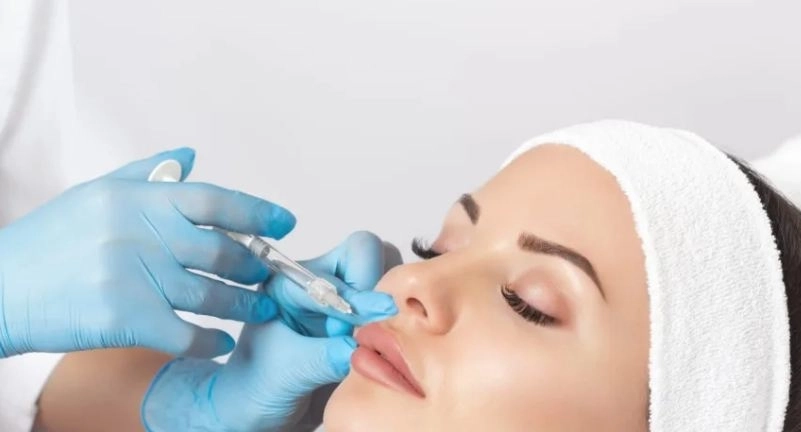
Administering the injections: Injecting precise amounts of Botox using fine needles.
Post-treatment instructions: Providing appropriate guidance for caring for the treated area and monitoring results.
The session usually takes a short amount of time, although the duration varies depending on the number of areas being treated. The patient may experience mild pricking or temporary discomfort during the injections.
Are Botox Injections Painful?
Botox injections may cause mild pain or a brief pricking sensation. The level of discomfort varies depending on the treatment area and the individual's sensitivity. Pain-reduction methods, such as cooling or topical anesthesia, may be used when appropriate.
Injections into the palms or soles may be more uncomfortable for some people because these areas are particularly sensitive. The doctor determines the appropriate method to minimize discomfort.
Potential Side Effects of Botox Injections
Botox is generally considered relatively safe when used for an appropriate purpose, at the correct dosage, and by a qualified medical professional. However, some side effects may occur, including:
Mild redness or swelling at the injection sites.
Small bruises or temporary pain.
Headaches in some cases.
Temporary eyelid drooping or uneven facial expressions when certain areas are treated.
Temporary hand muscle weakness when treating excessive sweating in the palms.
Uneven results or less improvement than expected.
In rare cases, the effects of the substance may spread beyond the injected area, potentially causing difficulty swallowing, speaking, or breathing. These symptoms require immediate medical attention.
Patients should inform the doctor about pregnancy or breastfeeding, neuromuscular disorders, previous allergic reactions, and any medications they take, particularly certain antibiotics and medications that affect nerve signaling. The doctor will determine whether the procedure is appropriate for each individual.
What Instructions Should Be Followed After a Botox Session?
To achieve the best results and reduce the risk of complications, patients should follow the doctor's post-treatment instructions, including:
Avoiding rubbing or massaging the injection sites for the period specified by the doctor.
Avoiding excessive pressure on the treated area.
Following instructions regarding physical activity and heat exposure after the session.
Avoiding repeat injections before the appropriate interval recommended by the doctor.
Consulting the doctor if unusual symptoms or complications occur.
The final results do not appear immediately after the injections. Patients should allow enough time for Botox to take full effect before assessing the outcome or considering any adjustments.
How Often Can Botox Sessions Be Repeated?
The frequency of Botox sessions depends on the treatment goal and the body's response. For wrinkle treatment, results typically last three to four months, while the effects of treatment for excessive sweating may last longer in certain areas.
The doctor determines the timing of the next session based on the return of symptoms and the results of previous treatment. Repeated injections at intervals shorter than recommended should be avoided.
The Difference Between Botox and Dermal Fillers
Botox and dermal fillers differ in their mechanisms and uses:
Botox: Reduces the activity of specific muscles and is primarily used to treat expression lines and certain cases of excessive sweating.
Dermal fillers: Add volume or restore fullness in specific areas and may help improve certain static wrinkles, depending on the material used and the treatment area.
A doctor may recommend either procedure or a combination of both in certain cosmetic cases. The decision depends on facial assessment, the nature of the concern, and the desired outcome.
Who Is a Suitable Candidate for Botox Injections?
Botox may be suitable for adults who wish to reduce expression lines or who experience excessive sweating that has not responded adequately to initial treatments. However, everyone requires a medical assessment before receiving injections to confirm that the procedure is appropriate and to rule out contraindications.
Identifying the cause of excessive sweating helps determine the appropriate treatment, particularly if sweating begins suddenly or is accompanied by night sweats or other symptoms. In such cases, medical investigations may be necessary to identify the underlying cause.
For cosmetic use, patients should have realistic expectations because Botox temporarily reduces muscle movement but does not stop the natural aging process.
Conclusion
Botox injections are used to treat expression lines and reduce excessive sweating. They are relatively non-surgical procedures that generally do not require an extended recovery period. Results depend on selecting the appropriate treatment area and dosage, the doctor's experience, and adherence to post-injection instructions.
Medical assessment is an essential step before beginning treatment, as it helps determine whether Botox is suitable for the patient's condition and identifies the most appropriate procedure for achieving natural-looking and safe results.