

Published on: 2025-06-12 | Written by: Dr. Walid Mohamed Mustafa, Consultant Oral and Dental Surgeon and Fixed Prosthodontics
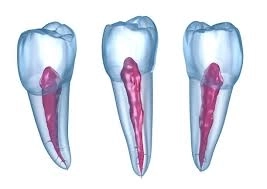
Root canal treatment is one of the most important procedures in modern dentistry for preserving natural teeth and avoiding unnecessary extractions. Dr. Walid Mohamed Mostafa, Consultant in Oral and Maxillofacial Surgery and Fixed Prosthodontics, emphasizes that this treatment saves teeth with infected or inflamed pulp and restores their function without pain.
It is a dental procedure used to treat infected or damaged tooth pulp. The process involves removing the pulp tissue, disinfecting the canals, and filling them with a special material to seal the space and prevent reinfection.
Persistent, severe toothache
Extreme sensitivity to heat or cold
Swelling or abscess in the surrounding gums
Tooth discoloration (gray or darkened)
Deep fracture reaching the pulp
Infection visible in X-rays at the root tip
Diagnosis with clinical exam and X-rays
Local anesthesia to ensure patient comfort
Access opening through the tooth crown
Cleaning of root canals with precise tools
Disinfection using antibacterial solutions
Filling the canals with a special sealing material
Temporary or permanent restoration, often followed by crown placement
With modern anesthesia and techniques, the procedure is safe and nearly painless. Dr. Walid Mohamed Mostafa notes that root canal pain is usually less than the pain caused by an untreated infected pulp.
Avoid chewing on the treated tooth until the final restoration is completed
Take prescribed pain relievers if needed
Maintain oral hygiene with brushing and flossing
Contact your dentist if pain or swelling persists
In many cases, yes. Dr. Walid Mohamed Mostafa recommends placing a crown to protect the treated tooth—especially molars or teeth with extensive structural damage.