
Published on: 2025-09-23 | Written by: Dr. Walid Othman, Professor and Consultant of Cardiology
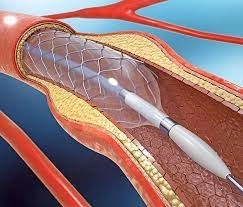
The expertise of Dr. Walid Otman explains that interventional catheterization is an advanced procedure performed by inserting a thin catheter through an artery in the groin or hand to reach the coronary arteries, allowing treatment of blockages and restoring blood flow without the need for open-heart surgery.
Dr. Walid Otman stresses that interventional catheterization reduces complications, promotes faster patient recovery, and allows a quick return to normal life within a few days compared to the long weeks required after surgery.
Dr. Walid Otman confirms that interventional catheterization is used to treat narrowing or blockage of the coronary arteries, especially in cases of angina or heart attacks, as it helps save the heart muscle and prevent serious complications.
Dr. Walid Otman warns that accurate diagnosis before catheterization relies on tests such as ECG, echocardiography, and Holter monitoring, which help identify the exact location of the blockage and design a safe treatment plan.
The expertise of Dr. Walid Otman emphasizes that medical follow-up after the procedure is essential to keep the arteries open. This includes taking prescribed medications regularly, controlling blood pressure, and managing blood sugar and cholesterol levels to reduce the risk of re-blockage.