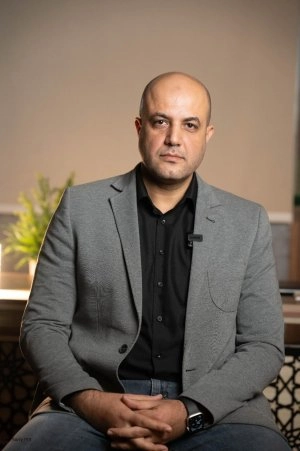

Published on: 2025-09-22 | Written by: Dr. Mohamed Abdel Badie Rashed, Senior Retina
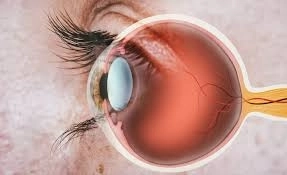
Diabetic retinopathy and retinal detachment are among the most serious eye diseases that may threaten vision, and here Dr. Mohamed Abdel Badi Raashed stresses the importance of early and regular screening to avoid complications that could lead to complete vision loss.
Dr. Mohamed Abdel Badi Raashed clarifies that diabetic retinopathy occurs as a result of high blood sugar levels over long periods, leading to the weakening of blood vessels in the retina. He also confirms that neglecting blood sugar control and skipping regular follow-ups increases the risk of severe complications.
Dr. Mohamed Abdel Badi Raashed warns that symptoms may start silently and include: blurred vision, difficulty reading, and seeing dark spots or floaters. He also stresses that noticing any of these symptoms requires an urgent visit to a specialized doctor.
Dr. Mohamed Abdel Badi Raashed clarifies that retinal detachment happens when the retina separates from its supporting tissues, leading to sudden vision loss. He also confirms that this condition is an emergency and requires immediate medical intervention.
Dr. Mohamed Abdel Badi Raashed warns that symptoms include sudden flashes of light, an increase in floaters, and loss of part of the visual field. He also stresses that ignoring these symptoms may result in permanent blindness.
Dr. Mohamed Abdel Badi Raashed clarifies that diagnosis relies on retinal examination using advanced tools such as Optical Coherence Tomography (OCT) and fluorescein angiography. He also confirms that these methods help in accurately identifying the location and type of damage.
Dr. Mohamed Abdel Badi Raashed stresses that treatment for diabetic retinopathy may include laser therapy or intravitreal injections. In the case of retinal detachment, he clarifies that surgery is the best solution. He also confirms that the success of treatment depends on the speed of medical intervention.
Dr. Mohamed Abdel Badi Raashed warns that controlling blood sugar, blood pressure, and cholesterol levels helps reduce the risk of diabetic retinopathy. He also stresses that regular eye check-ups for diabetic patients are essential for the early detection of any retinal changes.