
Published on: 2025-09-22 | Written by: Dr. Haitham Rady, Internal Medicine
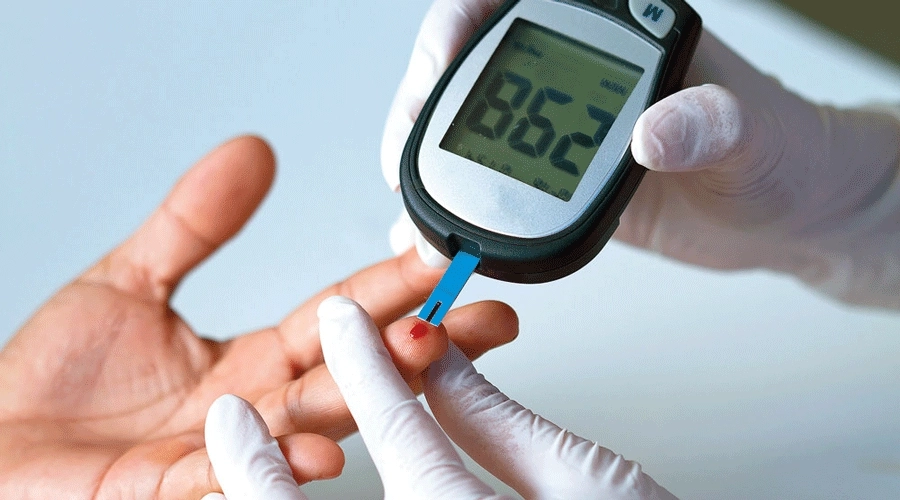
Diabetes follow-up is one of the most important steps to maintain overall health and prevent complications that may affect the heart, liver, digestive system, and nerves. Dr. Haitham Rady, Consultant of Internal Medicine, Gastroenterology, Hepatology, Diabetes, and Gastrointestinal Endoscopy, stresses that every patient requires accurate and continuous monitoring along with integrated treatment plans tailored to each individual case.
Dr. Haitham Rady explains that diabetes follow-up is not limited to measuring blood glucose levels, but also includes regular tests for the kidneys, liver, eyes, and nerves. He warns that neglecting these tests may lead to severe complications such as kidney failure or diabetic retinopathy.
Dr. Haitham Rady confirms that designing an integrated treatment plan involves combining medications, medical nutrition therapy, physical activity, and psychological support. He stresses that effective diabetes management is not based on medication alone, but on a balanced lifestyle plan individualized for each patient.
Dr. Haitham Rady explains that a healthy diet plays a central role in controlling blood sugar. He warns that excessive intake of carbohydrates and fats can make diabetes harder to manage. He confirms that regular physical activity improves insulin sensitivity and helps maintain a healthy weight.
Dr. Haitham Rady stresses that diabetic patients are more prone to liver and digestive disorders, and he confirms the importance of performing regular liver function tests. He explains that consistent monitoring helps detect fatty liver or colon problems early, preventing serious complications.
Dr. Haitham Rady warns that patient education is an essential part of treatment. He stresses that awareness of hypoglycemia and hyperglycemia symptoms, and how to manage them, reduces emergency risks. He confirms that involving the patient in the treatment plan improves adherence and overall outcomes.