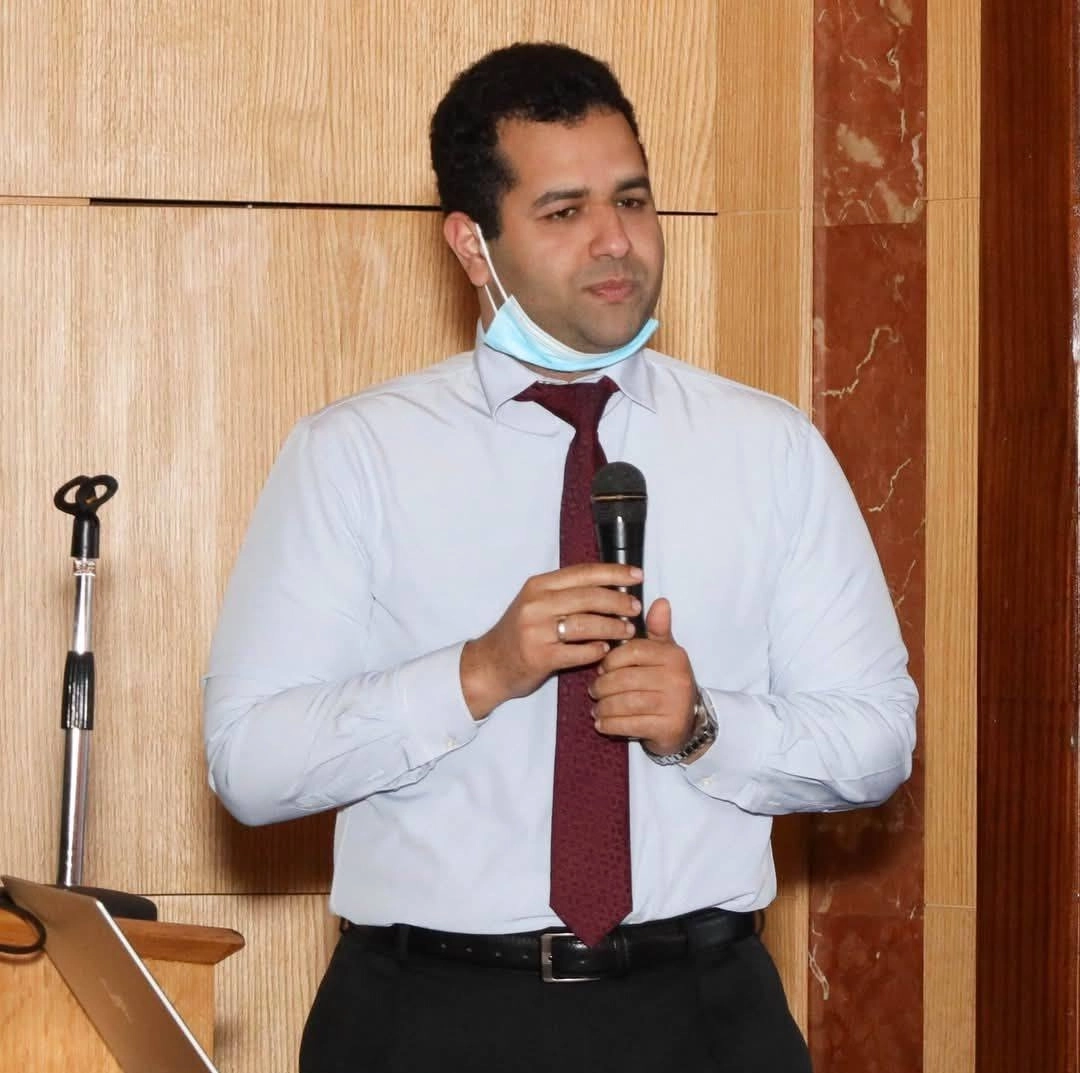

Published on: 2025-09-22 | Written by: Dr. Haitham Rady, Internal Medicine
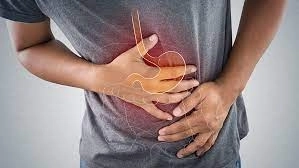
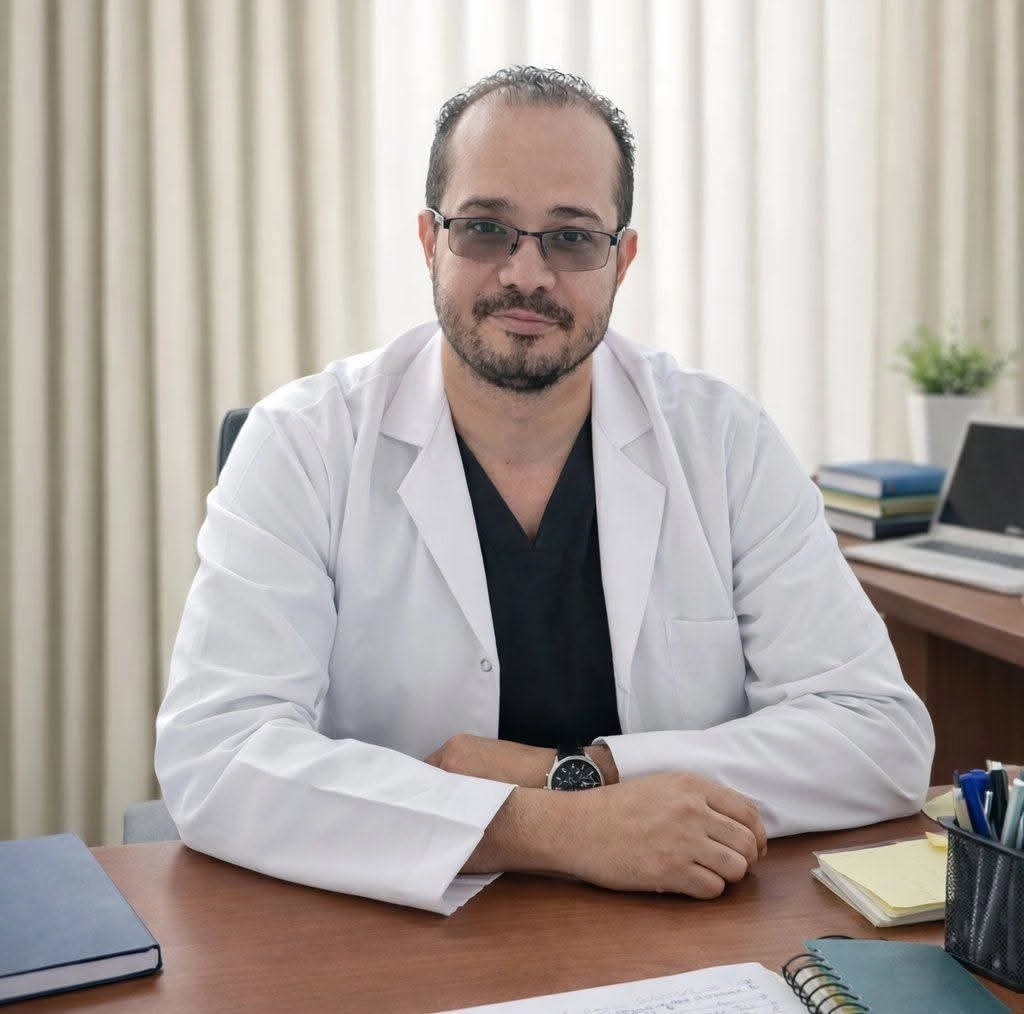
Gastrointestinal and liver diseases are among the most common health problems that directly affect the patient’s quality of life and require specialized medical expertise for accurate diagnosis and treatment. Dr. Haitham Rady, Consultant of Internal Medicine, Gastroenterology, Hepatology, Diabetes, and Gastrointestinal Endoscopy, stresses the importance of early detection and regular follow-up to prevent serious complications.
Dr. Haitham Rady confirms that gastrointestinal diseases include a wide range of conditions such as acid reflux, gastritis, irritable bowel syndrome, and peptic ulcers. He warns that neglecting proper diagnosis may lead to chronic complications that often require precise interventions such as endoscopy.
Dr. Haitham Rady explains that the liver is one of the most vital organs in the body, and its diseases may range from viral hepatitis, fatty liver, to cirrhosis. He stresses the need for early testing and effective treatment to avoid liver failure or, in advanced cases, the need for transplantation.
Dr. Haitham Rady confirms that gastrointestinal endoscopy is a highly accurate diagnostic and therapeutic tool for identifying problems in the stomach, colon, and duodenum. He warns that using endoscopy helps detect benign and malignant tumors at early stages, significantly increasing recovery rates.
Dr. Haitham Rady stresses that diabetic patients are more prone to gastrointestinal and liver complications. He confirms the importance of continuous medical follow-up to control blood sugar and maintain healthy liver functions. He explains that neglecting this follow-up may result in complex conditions requiring detailed treatment plans.
Dr. Haitham Rady warns that prevention starts with a healthy diet, regular exercise, and avoiding smoking and alcohol. He confirms that periodic blood tests and liver/gastrointestinal function checks are essential methods to prevent complications.
Dr. Haitham Rady stresses that early diagnosis, regular monitoring, and the use of advanced tools such as endoscopy are the foundations of managing gastrointestinal and liver diseases. He explains that specialized medical expertise combined with attention to detail ensures patients receive the highest quality of healthcare.