
Published on: 2025-06-12 | Written by: Dr. Mohamed Abdel Halim, Consultant General and Laparoscopic Surgeon
Post-Surgical Hernia: How It Happens and How It’s Treated – with Dr. Mohamed Abdel Halim
Dr. Mohamed Abdel Halim, Specialist in General Surgery, explains that a post-surgical (incisional) hernia is not always dangerous, but neglecting it can lead to serious complications that may require urgent surgical intervention.
An incisional hernia is one of the common complications following abdominal surgeries and can appear weeks or even months after the surgical wound has healed.
A post-surgical hernia occurs when a part of the intestine or tissue protrudes through a weak spot in the abdominal wall, usually at the site of a previous surgical incision.
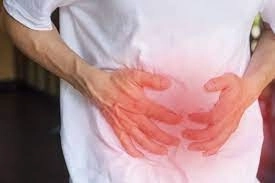
It appears as a swelling or bulge under the skin that becomes more noticeable when standing, coughing, or straining.
Dr. Mohamed Abdel Halim emphasizes that the main causes of a post-surgical hernia include:
Weak wound healing after surgery
Local infection that delays proper closure of the incision layers
Obesity or excess weight
Chronic cough or constipation (which increases abdominal pressure)
Lifting heavy objects too soon after surgery
Chronic illnesses such as diabetes or liver disease
Having multiple surgeries in the same area previously
Dr. Mohamed Abdel Halim explains that symptoms may include:
Noticeable bulge at or near the surgical scar
Bulge becomes more prominent with standing or exertion
Mild discomfort or a feeling of heaviness in the abdomen
Severe pain or vomiting in case of hernia strangulation
Physical examination is the main tool for diagnosis.
In some cases, ultrasound or CT scan may be required to determine the size and contents of the hernia accurately.
Dr. Mohamed Abdel Halim clarifies that treatment depends on the severity of the hernia:
Observation and Monitoring:
If the hernia is small and painless, the doctor may recommend wearing a hernia support belt and regular follow-up.
Surgical Repair – The Most Common and Effective Solution:
Hernia repair involves reinforcing the abdominal wall, often with the placement of a synthetic mesh to strengthen the area.
The procedure can be done using open surgery or laparoscopy, depending on the size of the hernia and the patient’s condition.