
Published on: 2025-09-17 | Written by: Dr. Ahmed Siraj Al-Ghamrawi, Consultant
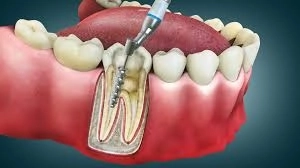
Root canal treatment (also known as endodontic therapy) is one of the most vital procedures in modern dentistry. This treatment aims to save a severely damaged, decayed, or infected natural tooth from extraction, thereby preserving the jaw structure, facial aesthetics, and natural chewing function.
1. What is Root Canal Treatment and When is it Necessary?
A tooth consists of several layers: outer enamel, dentin, and the inner pulp containing nerves and blood vessels. When severe decay or trauma penetrates the pulp, bacterial infection or inflammation ensues, requiring immediate intervention.
Dr. Ahmed Serag El-Ghamrawy clarifies that the primary goal of root canal therapy is to eliminate pain caused by nerve inflammation, thoroughly disinfect the root canals from bacteria and necrotic tissue, and seal them securely to prevent future re-infection.
Key Symptoms Requiring Root Canal Therapy:
Severe, Persistent Pain: Exacerbated by hot or cold food and drinks.
Pain Upon Pressure or Chewing: On the affected tooth.
Swelling or Tenderness in the Gums: Adjacent to the tooth, sometimes accompanied by a dental abscess.
Tooth Discoloration: Darkening of the tooth due to internal tissue damage.
2. Modern Techniques in Root Canal Treatment
Advancements in dentistry have transformed root canal therapy into a comfortable, rapid, and highly precise procedure compared to traditional methods.
Dr. Ahmed Serag El-Ghamrawy points out that utilizing rotary endodontic systems and electronic apex locators has revolutionized this field. These tools ensure precise canal cleaning and exact length determination down to the millimeter, reducing appointment counts while maximizing success rates.
Prominent Advanced Equipment & Technologies:
Rotary Instruments: To clean and shape root canals with greater speed and safety than manual files.
Electronic Apex Locators: For accurate measurement of root canal lengths without excessive X-ray exposure.
Surgical Microscopes: To locate calcified, narrow, or hidden canals invisible to the naked eye.
3D CBCT Imaging: Employed in complex cases to view the detailed anatomy of the roots.
3. Procedure Steps and Stages of Treatment
Root canal therapy is typically completed in one or two visits depending on the severity of inflammation and infection spread.
Dr. Ahmed Serag El-Ghamrawy advises patients not to fear this procedure, emphasizing that modern local anesthesia ensures a pain-free experience comparable to receiving a standard dental filling.
Detailed Treatment Plan:
Local Anesthesia and Isolation: Numbing the area surrounding the tooth and applying a rubber dam to keep the field dry and sterile.
Access Cavity Preparation: Removing decay and creating a small opening to reach the pulp chamber and root canals.
Cleaning and Shaping: Removing infected pulp, irrigating canals with disinfecting solutions, and shaping them.
Obturation and Sealing: Filling the root canals with a specialized biocompatible material (Gutta-Percha) to ensure a complete seal.
Crown Placement: Fitting a dental crown to protect the weakened tooth structure and restore its full function and appearance.
4. Post-Treatment Care and Maintenance
Post-procedure care is crucial for minimizing minor temporary discomfort and ensuring long-term tooth survival.
Dr. Ahmed Serag El-Ghamrawy stresses that protecting the treated tooth with a dental crown is an essential step. Removing the pulp leaves the tooth more brittle over time, and a crown shields it against fractures during chewing.
Post-Treatment Care Advice:
Avoid Chewing on the Tooth: Until the final restoration or permanent crown is placed.
Follow Medication Guidelines: Use prescribed analgesics if mild sensitivity or discomfort occurs after anesthesia wears off.
Maintain Daily Oral Hygiene: Brush twice daily and floss regularly around the treated tooth.
Schedule Regular Check-ups: To monitor the tooth and surrounding periodontal tissues.
5. Golden Rules for Maintaining Dental and Root Health
Consistent Daily Cleaning: Brushing twice a day and flossing to remove interdental food debris.
Limiting Sugary Foods: Reducing consumption of sweets and carbonated drinks to prevent new decay.
Bi-Annual Dental Visits: For routine check-ups, tartar removal, and early decay detection before it reaches the nerve.
Ongoing Follow-Up with a Specialist:
Dr. Ahmed Serag El-Ghamrawy emphasizes in his concluding advice that saving a natural tooth through root canal treatment is always the best option biologically, functionally, and economically compared to tooth extraction and replacement with implants or bridges.