Published on: 2025-09-17 | Written by: Dr. Ahmed Siraj Al-Ghamrawi, Consultant
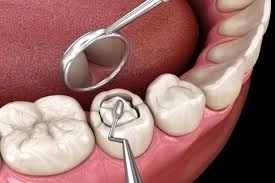
Dental fillings represent one of the most common, essential, and preventive procedures in modern dentistry. This treatment aims to manage tooth decay and cavities in their early stages before reaching the nerve, as well as restore broken or worn-out teeth, preserving the natural tooth structure and restoring its vital functions, such as chewing and speaking properly.
Dental decay occurs when bacterial plaque accumulates and feeds on dietary sugars, producing acids that erode the hard enamel layer and create cavities within the tooth structure.
Dr. Ahmed Serag El-Ghamrawy clarifies that the primary objective of placing a dental filling is to thoroughly remove decayed and necrotic tissues from inside the cavity, then seal the space with advanced medical materials to prevent future bacterial infiltration and protect the remaining tooth structure from cracking or further decay.
Sudden Tooth Sensitivity: Triggered by hot or cold beverages, or sweet foods.
Visible Cavities or Holes: Or dark discoloration on parts of the tooth surface.
Food Impaction: Frequent trapping of food particles between specific teeth due to decay.
Chipped or Worn Teeth: Resulting from physical trauma or harmful habits such as nocturnal teeth grinding (bruxism).
Dental material science has advanced dramatically, shifting focus away from traditional silver amalgam fillings toward esthetic materials that seamlessly match natural tooth color and anatomy.
Dr. Ahmed Serag El-Ghamrawy points out that modern tooth-colored fillings (Composites, Inlays, and Onlays) have become the preferred option for patients, as they establish strong mechanical and chemical bonds with natural enamel, ensuring long-term durability without compromising the smile's esthetic appeal.
Composite Resin Fillings: Made of tooth-colored glass-plastic mixture, ideal for both anterior and posterior teeth.
Ceramic Restorations (Inlays & Onlays): Custom-fabricated in dental labs for large cavities, offering superior strength and wear resistance.
Glass Ionomer Fillings: Chemically bond to tooth structure and release fluoride to protect against recurrent decay (often used for children and cervical/gumline areas).
Amalgam Fillings: Traditional silver fillings, whose usage has declined significantly in favor of tooth-colored materials.
Placing a dental filling is a simple, safe procedure typically completed in a single visit under local anesthesia.
Dr. Ahmed Serag El-Ghamrawy advises against neglecting or postponing early decay management, emphasizing that prompt intervention allows for simple filling placement without requiring complex procedures such as root canal therapy or full dental crowns.
Examination and Local Anesthesia: Radiographic evaluation followed by localized numbing to ensure a completely pain-free experience.
Decay Removal and Cavity Preparation: Using precise handpieces and instruments to clear infected tissues and disinfect the cavity.
Conditioning and Bonding: Treating the tooth surface with etching and bonding agents to guarantee strong filling retention.
Filling Application and Curing: Layering the filling material and hardening it using a specialized blue light curing unit.
Occlusal Adjustment and Polishing: Trimming high spots and smoothing the edges to ensure complete comfort during chewing.
Proper post-procedure care helps preserve the filling and ensures its long-term stability without complications.
Dr. Ahmed Serag El-Ghamrawy stresses that mild sensitivity to temperature variations after filling placement is entirely normal for a few days. However, if pain persists or if the bite feels high, the patient should visit the dentist promptly for a quick adjustment.
Avoid Eating Until Numbness Wears Off: To prevent accidental biting of the tongue, cheeks, or lips.
Steer Clear of Hard Foods: Immediately following the procedure until the restoration completely settles.
Maintain Daily Oral Hygiene: Brush regularly with fluoridated toothpaste and use dental floss.
Eliminate Parafunctional Habits: Such as opening packages with teeth or biting fingernails.
Consistent Daily Brushing: At least twice daily using a fluoridated toothpaste.
Daily Flossing: To remove interdental plaque and food debris from filling margins.
Limiting Sugary and Acidic Foods: Reducing consumption of sweets, soft drinks, and acidic beverages.
Routine Follow-Up with a Specialist:
Dr. Ahmed Serag El-Ghamrawy emphasizes in his concluding advice that routine dental check-ups every 6 months ensure the integrity of existing fillings and allow for early detection of new decay, maintaining optimal oral health and a bright, healthy smile.