

Published on: 2025-06-12 | Written by: Dr. Mohamed Abdel Halim, Consultant General and Laparoscopic Surgeon
Appendicitis: How to Detect Its Symptoms? – With Dr. Mohamed Abdel Halim
Appendicitis is one of the most common surgical emergencies, requiring rapid intervention to prevent serious complications such as rupture or abscess formation. Dr. Mohamed Abdel Halim, a Specialist in General Surgery, emphasizes that early detection of symptoms is the key to avoiding emergency surgery or life-threatening complications.
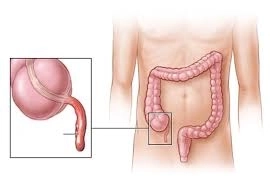
Dr. Mohamed Abdel Halim explains that the appendix is a small, finger-shaped organ attached to the first part of the colon on the lower right side of the abdomen. Although its exact function is unclear, its inflammation can cause severe and potentially dangerous pain.
Dr. Mohamed Abdel Halim points out that appendicitis usually occurs due to:
Blockage of the appendix opening by fecal matter or foreign objects
Bacterial infection causing tissue swelling
Enlargement of nearby lymph nodes
In some cases, the cause remains unknown
According to Dr. Mohamed Abdel Halim, the main symptoms of appendicitis include:
Pain starting around the navel and shifting to the lower right abdomen
Sudden loss of appetite
Nausea or vomiting after pain begins
Mild fever
Pain that worsens with movement, coughing, or walking
Constipation or diarrhea with mild bloating
Yes. Symptoms may vary among children, elderly patients, and pregnant women. Therefore, Dr. Mohamed Abdel Halim stresses the importance of consulting a doctor immediately when experiencing unusual abdominal pain, even if not all symptoms are present.
The main treatment for appendicitis is surgical removal of the appendix, which can be done through:
Laparoscopic surgery (minimally invasive with faster recovery)
Open surgery if complications or rupture are present
Dr. Mohamed Abdel Halim warns that delaying diagnosis can lead to:
Appendix rupture and infection spreading inside the abdomen (peritonitis)
Formation of a pus-filled abscess around the appendix
Bowel obstruction or chronic adhesions after surgery
Avoid taking strong painkillers before diagnosis, as they can mask symptoms.
Don’t delay visiting the emergency room if you experience sudden pain in the lower abdomen.
After surgery, follow all postoperative instructions carefully to ensure faster recovery.