
Published on: 2025-09-11 | Written by: Dr. Ola Mahmoud Farid, Obstetrics
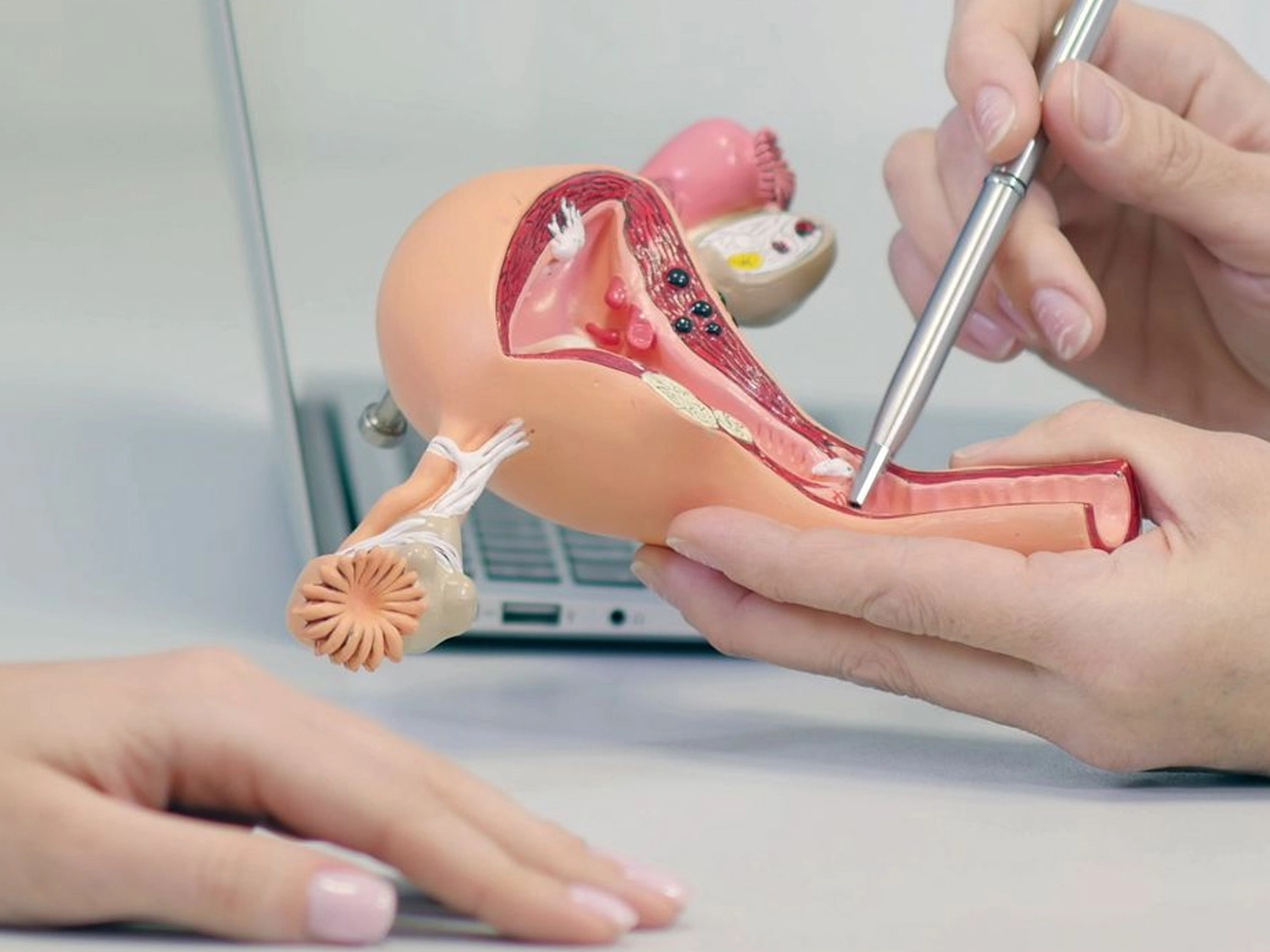
Gynecological endoscopy is one of the most important advancements in the field of women’s health diagnosis and treatment, providing a precise and safe method to examine the reproductive system and treat certain conditions without major surgery.
Dr. Ola Mahmoud Farid confirms that gynecological endoscopy reduces complications, speeds up recovery compared to traditional surgery, and improves the accuracy of diagnosis and treatment.
Diagnosing causes of infertility, such as blocked fallopian tubes or uterine abnormalities.
Treating cysts and fibroids without the need for open surgery.
Removing benign tumors in the uterus or ovaries.
Examining abnormal bleeding or chronic infections.
Dr. Ola Mahmoud Farid emphasizes that using gynecological endoscopy in appropriate cases provides precise results and significantly reduces complications.
Laparoscopy:
Used to examine the abdomen, ovaries, and fallopian tubes.
Allows treatment of some conditions such as removal of cysts or small tumors.
Hysteroscopy:
Used to examine the inside of the uterus and treat conditions like fibroids or congenital abnormalities.
Dr. Ola Mahmoud Farid stresses that selecting the appropriate type depends on the patient’s medical condition and treatment goals.
Accurate diagnosis of various gynecological conditions.
Reduces postoperative complications and pain.
Faster recovery compared to traditional surgery.
Improves chances of pregnancy after treating uterine or ovarian problems.
Dr. Ola Mahmoud Farid confirms that gynecological endoscopy has become the optimal choice for most female patients requiring minor to moderate surgical intervention.
Conduct necessary tests and examinations before the procedure to assess health status.
Follow the doctor’s instructions before and after the procedure to ensure rapid recovery.
Regular follow-up after the procedure to ensure treatment success and restoration of normal functions.
Dr. Ola Mahmoud Farid emphasizes that adhering to medical instructions and regular follow-up after endoscopy is the key to treatment success and maintaining women’s health.