
Published on: 2025-09-11 | Written by: Dr. Ahmed Othman Professor of Vascular Surgery
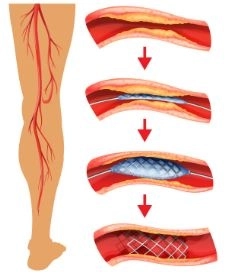
Coronary angiography is one of the most important modern medical procedures for diagnosing and treating heart and vascular diseases. This technique helps doctors determine the degree of arterial blockage or narrowing that affects blood flow and provides ways to treat these blockages without open surgery.
Dr. Ahmed Osman confirms that angiography significantly helps prevent serious complications such as blood clots and heart attacks and reduces recovery time compared to traditional methods.
Coronary artery blockage due to the accumulation of fats and cholesterol.
Persistent or recurrent chest pain (angina).
Artery narrowing or early atherosclerosis.
Follow-up after previous procedures or stent placement to ensure artery health.
Dr. Ahmed Osman emphasizes that accurate diagnosis before angiography ensures the selection of the most appropriate approach for each patient.
Preparation before Angiography:
Comprehensive medical assessment of the patient.
Required laboratory tests and temporarily stopping certain medications if needed.
During the Procedure:
Insertion of a thin catheter into the artery, usually through the groin or wrist.
Use of a special dye to visualize the arteries under X-ray.
Evaluation of arterial blockage or narrowing.
Therapeutic Procedures if Needed:
Balloon angioplasty to widen blocked arteries.
Placement of a metal stent to maintain normal blood flow.
Dr. Ahmed Osman confirms that these procedures reduce the need for open surgery and increase success rates while minimizing complications.
Accurate diagnosis of heart artery problems.
Treatment of blockages without major surgery.
Prevention of heart attacks and strokes.
Shorter recovery period compared to traditional surgery.
Dr. Ahmed Osman points out that angiography is a safe and effective option for most patients with artery problems.
Adhering to prescribed medications to prevent blood clots.
Regular check-ups to ensure stent or artery health after treatment.
Monitoring blood pressure, cholesterol, and maintaining a healthy lifestyle to reduce future risks.
Dr. Ahmed Osman confirms that post-procedure follow-up is essential for the success of treatment and maintaining heart and artery health.