
Published on: 2025-09-10 | Written by: Dr. Essam Ghallab, Therapeutic Nutrition
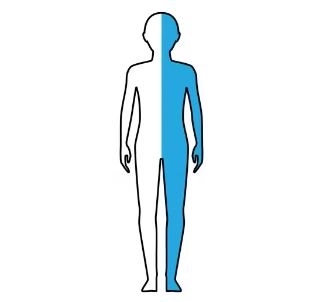
Hemiplegia is one of the serious neurological conditions that affects a patient’s motor functions and daily activities, usually resulting from brain injury, stroke, or other neurological disorders.
Dr. Essam Ghalab confirms that early diagnosis and proper rehabilitation are the key factors in improving the patient’s condition and restoring mobility.
Stroke, which stops blood flow to a part of the brain.
Traumatic or surgical injuries affecting the brain or spinal cord.
Brain tumors or brain infections.
Chronic neurological diseases such as multiple sclerosis.
Dr. Essam Ghalab emphasizes that understanding the cause of hemiplegia is essential for determining the appropriate treatment plan for each case.
Partial or complete loss of movement on one side of the body.
Speech or language difficulties due to effects on facial and oral muscles.
Muscle weakness or stiffness, making movement control difficult.
Balance and coordination problems.
Dr. Essam Ghalab confirms that early recognition of these symptoms helps reduce complications and achieve the best therapeutic outcomes.
Intensive physical therapy to strengthen muscles and improve mobility.
Occupational therapy to help the patient perform daily activities independently.
Speech and language therapy to improve communication.
Medications to control pain, spasms, or prevent neurological complications.
Dr. Essam Ghalab confirms that the treatment program must be personalized for each patient and involve a multidisciplinary team to ensure optimal results.
Encouraging active participation in therapy.
Providing psychological and family support to reduce frustration and depression.
Continuous follow-up to adjust the treatment plan according to the patient’s progress.
Dr. Essam Ghalab stresses that psychological support is as important as medical treatment to achieve recovery and improve the patient’s quality of life.