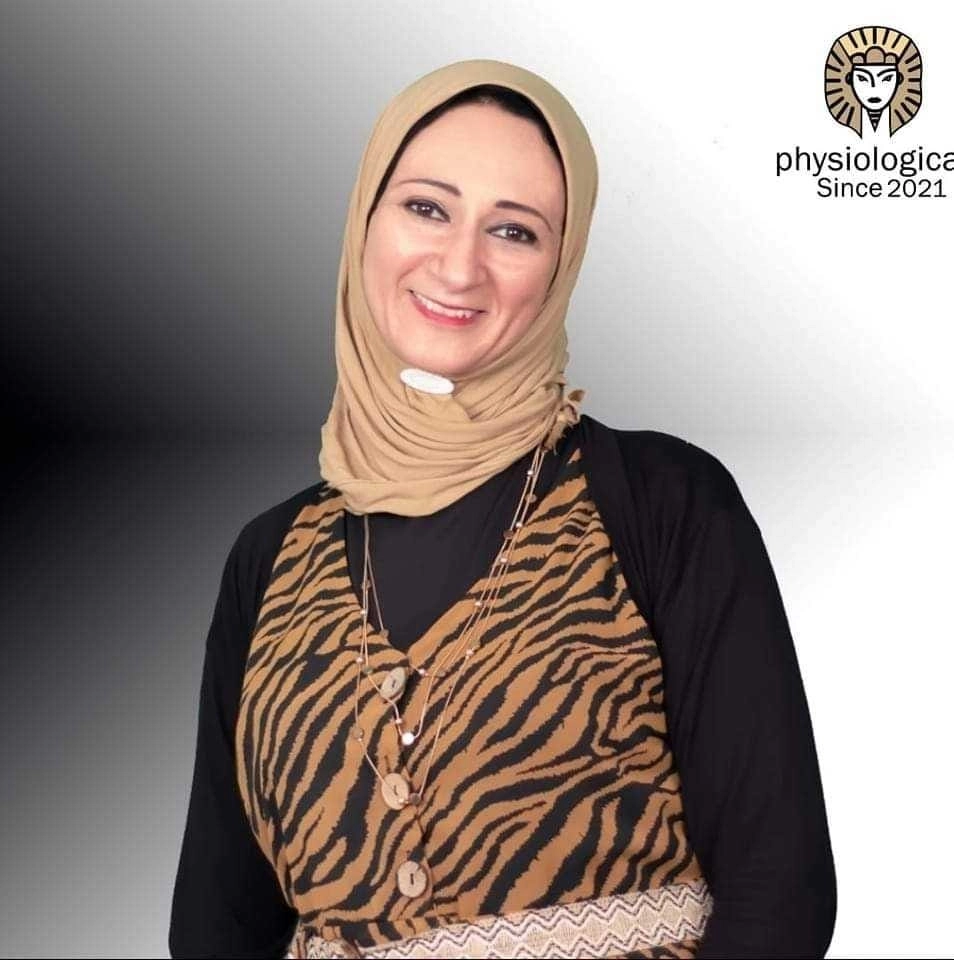

Published on: 2025-06-12 | Written by: Dr. Sarah Mustafa Habiba PhD in Mental Health
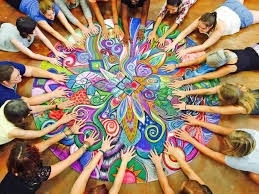
Art therapy is one of the modern therapeutic approaches that relies on creative expression as a tool for understanding emotions, reducing psychological stress, and improving overall mental health. This type of therapy allows individuals to express their feelings and thoughts in non-verbal ways, helping them explore their inner world in a safe and effective manner.
Dr. Sara Mostafa Habiba emphasizes that art therapy is a powerful method for accessing suppressed emotions, especially for children, adolescents, and individuals who find it difficult to express themselves verbally.
Art therapy is a psychological therapeutic method that uses artistic media such as drawing, coloring, sculpture, and collage to help individuals express themselves and better understand their internal emotions. No artistic talent is required, as the focus is on the creative process rather than the final artistic outcome.
Dr. Sara Mostafa Habiba explains that the primary goal of art therapy is to improve emotional balance and self-awareness, not to produce professional artwork.
Art therapy is beneficial for many groups, including:
Children with behavioral or emotional difficulties
Adolescents facing psychological stress or identity challenges
Adults experiencing anxiety, depression, or psychological trauma
Couples and families seeking improved emotional communication
Individuals with special needs to support expression and social interaction
Dr. Sara Mostafa Habiba notes that art therapy is adapted to meet the needs of each age group and psychological condition individually.
Art therapy focuses on achieving several therapeutic goals, including:
Safe expression of suppressed emotions
Reducing psychological stress and anxiety
Improving self-confidence and self-esteem
Enhancing communication and social interaction skills
Supporting emotional and psychological balance
Dr. Sara Mostafa Habiba confirms that achieving these goals significantly improves the psychological and social quality of life of those receiving art therapy.
Art therapy employs various techniques, such as:
Free and expressive drawing
Therapeutic coloring to promote relaxation
Sculpting with clay for emotional and physical expression
Collage and visual composition to represent inner thoughts
Integrating art with therapeutic dialogue for deeper emotional insight
Dr. Sara Mostafa Habiba explains that selecting the appropriate technique depends on the client’s age, the nature of the issue, and the defined therapeutic goals.
Enhances overall mental well-being
Reduces symptoms of anxiety and depression
Helps children express themselves without pressure
Encourages creativity and emotional resilience
Supports recovery from psychological trauma
Dr. Sara Mostafa Habiba highlights that consistency in art therapy sessions strengthens results and leads to noticeable psychological improvement.
Dr. Sara Mostafa Habiba confirms that when art therapy is applied scientifically and under professional supervision, it can create meaningful and lasting positive change in individuals’ mental and social well-being.