
Published on: 2025-09-07 | Written by: Dr. Ahmed Souka, Professor of Ophthalmology, Faculty of Medicine
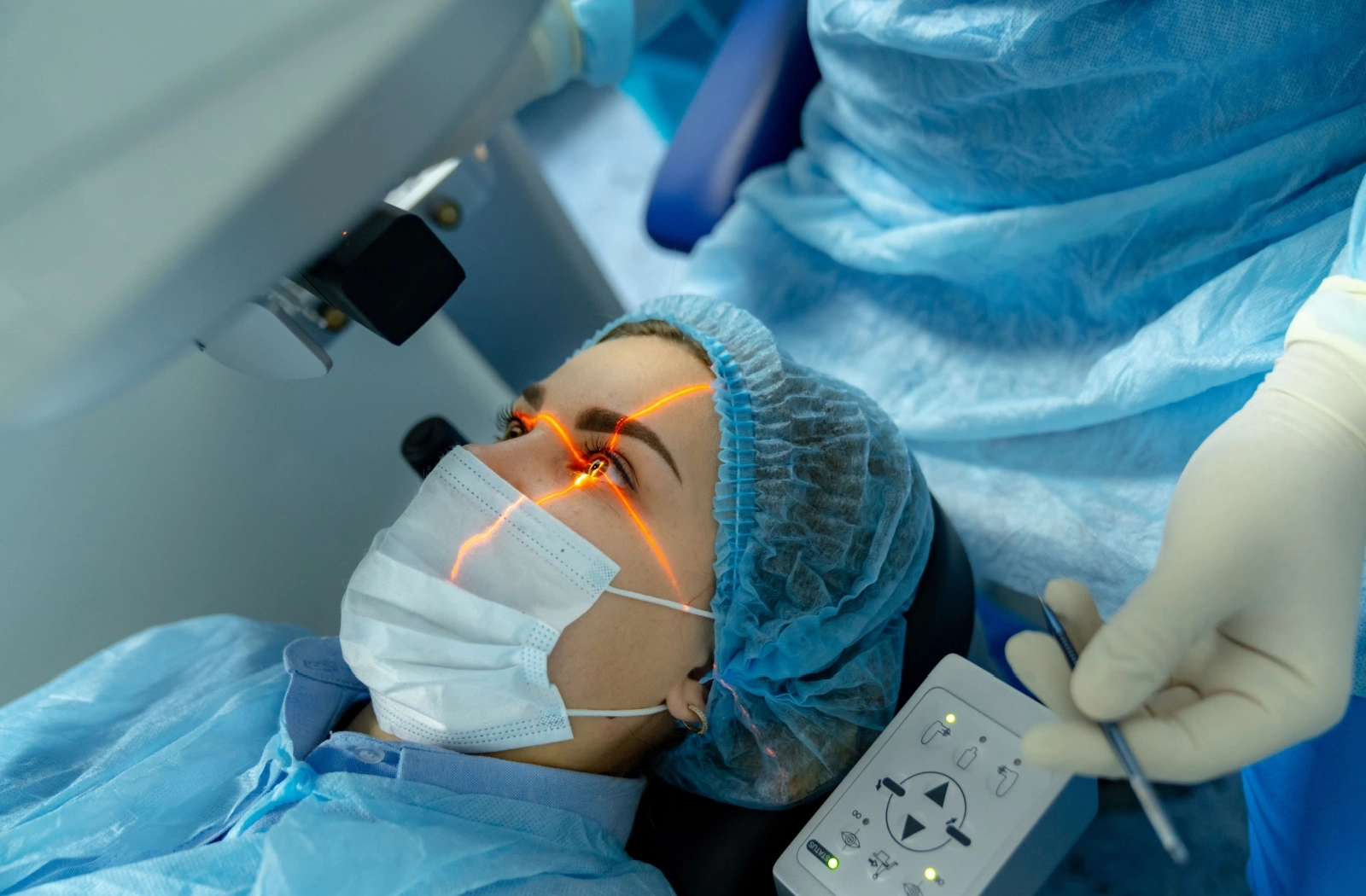
Eye laser is one of the most prominent modern developments in ophthalmology, offering effective solutions for most vision problems without the need for traditional surgery. This technique relies on focused light beams to make precise corrections in the cornea or to treat retinal and vitreous diseases.
Dr. Ahmed Soka confirms that laser treatment has become the first choice for many patients due to its high precision and rapid recovery.
The uses of eye laser include:
Vision correction for nearsightedness, farsightedness, and astigmatism.
Treatment of diabetic retinopathy and prevention of vision loss.
Closing damaged blood vessels in the retina.
Repairing retinal tears or preventing retinal detachment.
Removing cataracts associated with retinal issues in some cases.
Dr. Ahmed Soka emphasizes that selecting the appropriate type of laser depends on a thorough evaluation of the eye condition.
Blurred or hazy vision.
Appearance of black spots or floaters in front of the eye.
Flashes or light streaks when looking.
Sudden decrease in visual acuity.
Dr. Ahmed Soka warns that early examination is essential if any of these symptoms appear to prevent serious complications.
Fundus examination to assess the retina and vitreous.
OCT imaging to precisely view layers of the cornea and retina.
Fluorescein angiography to detect damaged areas in blood vessels.
Dr. Ahmed Soka confirms that these tests are essential to ensure successful laser treatment and avoid potential risks.
High precision in targeting affected areas.
Less pain compared to traditional surgery.
Rapid recovery and quick return to daily activities.
Reduces the risk of vision loss when treating retinal diseases.
Dr. Ahmed Soka emphasizes that eye laser combines effectiveness and safety, making it the ideal solution for many cases.