
Published on: 2025-09-07 | Written by: Dr. Ahmed Souka, Professor of Ophthalmology, Faculty of Medicine
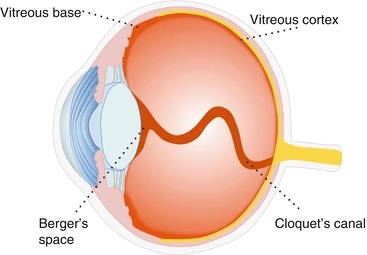
The retina and vitreous are among the most important parts of the human eye, where the retina plays a crucial role in receiving light and converting it into neural signals, while the vitreous body is responsible for maintaining the eye's shape and supporting the retina. Any disturbance in these parts can lead to serious vision problems such as retinal tears or intraocular bleeding.
Dr. Ahmed Soka confirms that regular eye examinations are essential for early detection of any disturbances in the retina or vitreous before complications occur.
Common issues affecting the retina and vitreous include:
Retinal tears or retinal detachment.
Diabetic retinopathy caused by diabetes.
Vitreous hemorrhage.
Posterior vitreous detachment.
Retinal inflammations or macular degeneration.
Dr. Ahmed Soka emphasizes that early detection significantly reduces the risk of permanent vision loss.
Seeing black spots or floaters in front of the eye.
Blurred vision or central vision loss.
Flashes or light streaks when looking.
Sudden decrease in visual acuity.
Dr. Ahmed Soka warns that any of these symptoms requires immediate consultation with an ophthalmologist to prevent serious complications.
Fundus examination using an ophthalmoscope.
OCT imaging to view layers of the retina and vitreous.
Fluorescein angiography to monitor blood vessels.
Dr. Ahmed Soka confirms that using these advanced diagnostic techniques allows precise localization of the problem and selection of the best treatment plan.
Laser therapy to close damaged blood vessels or repair retinal tears.
Anti-VEGF injections to treat diabetic retinopathy or macular degeneration.
Microsurgery to remove vitreous hemorrhage or stabilize the retina.
Regular follow-up to prevent disease progression.
Dr. Ahmed Soka emphasizes that treatment should be comprehensive and tailored to each case to ensure optimal results and preserve vision.