
Published on: 2025-09-06 | Written by: Dr. Ahmed Al-Khatib Prof of Oncology Surgery
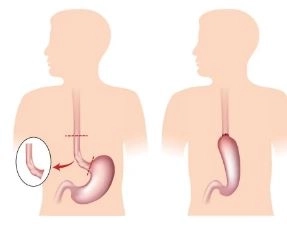
Stomach and esophagus tumor surgery is one of the most precise medical specialties, aimed at treating benign and malignant tumors in the stomach and esophagus, and restoring normal digestive functions.
These surgeries play a vital role in improving patients’ quality of life and reducing serious complications caused by tumors, whether through traditional surgery or laparoscopic procedures.
Dr. Ahmed El-Khatib confirms that modern medical advancements have made it possible to perform these operations safely and accurately, minimizing complications and speeding up recovery time.
Stomach and esophagus tumor surgeries help treat many critical conditions, including:
Benign tumors that may develop into malignant ones if untreated.
Stomach and esophagus cancer that requires prompt surgical intervention.
Removing tumors that cause digestive obstruction or difficulty swallowing.
Dr. Ahmed El-Khatib emphasizes the importance of early diagnosis to determine the most suitable surgical procedure for each patient, which increases the chances of recovery and improves outcomes.
There are several types of stomach and esophagus tumor surgeries, including:
Partial gastrectomy or esophagectomy to remove benign or malignant tumors.
Total gastrectomy or esophagectomy in advanced cases.
Laparoscopic surgery: removing tumors with minimal invasiveness, reducing pain and speeding recovery.
Modern robotic surgery: offers higher precision for complex operations and improves both functional and aesthetic outcomes.
Dr. Ahmed El-Khatib confirms that the choice of surgery depends on accurate diagnosis, tumor size, location, and the patient’s overall health condition.
Dr. Ahmed El-Khatib emphasizes the importance of thorough preparation before stomach and esophagus tumor surgery, which includes:
Conducting comprehensive medical tests to assess the patient’s health.
Following a specific dietary plan before surgery.
Avoiding smoking and alcohol for a set period before the procedure.
Reviewing current medications to prevent any interference with surgery.
Post-operative follow-up after stomach and esophagus tumor surgery includes:
Monitoring wound healing and evaluating digestive system functions.
Adhering to a healthy diet to facilitate digestion and recovery.
Regular check-ups with the treating physician to ensure stability and prevent complications.
Dr. Ahmed El-Khatib confirms that following post-operative instructions increases recovery speed and maintains long-term results.
Dr. Ahmed El-Khatib points out that using modern techniques such as laparoscopic surgery, robotic-assisted surgery, and precise surgical imaging increases surgery success rates and minimizes risks to the lowest level.