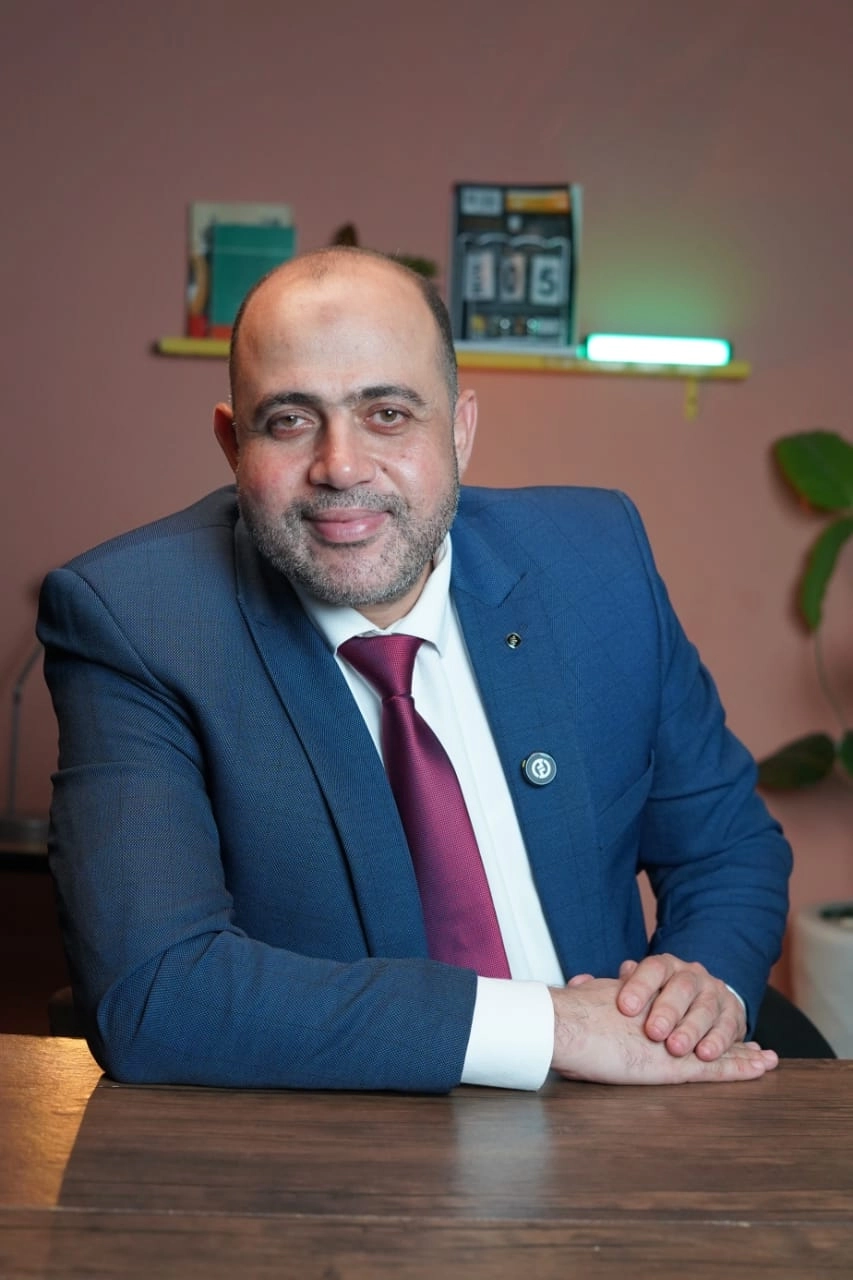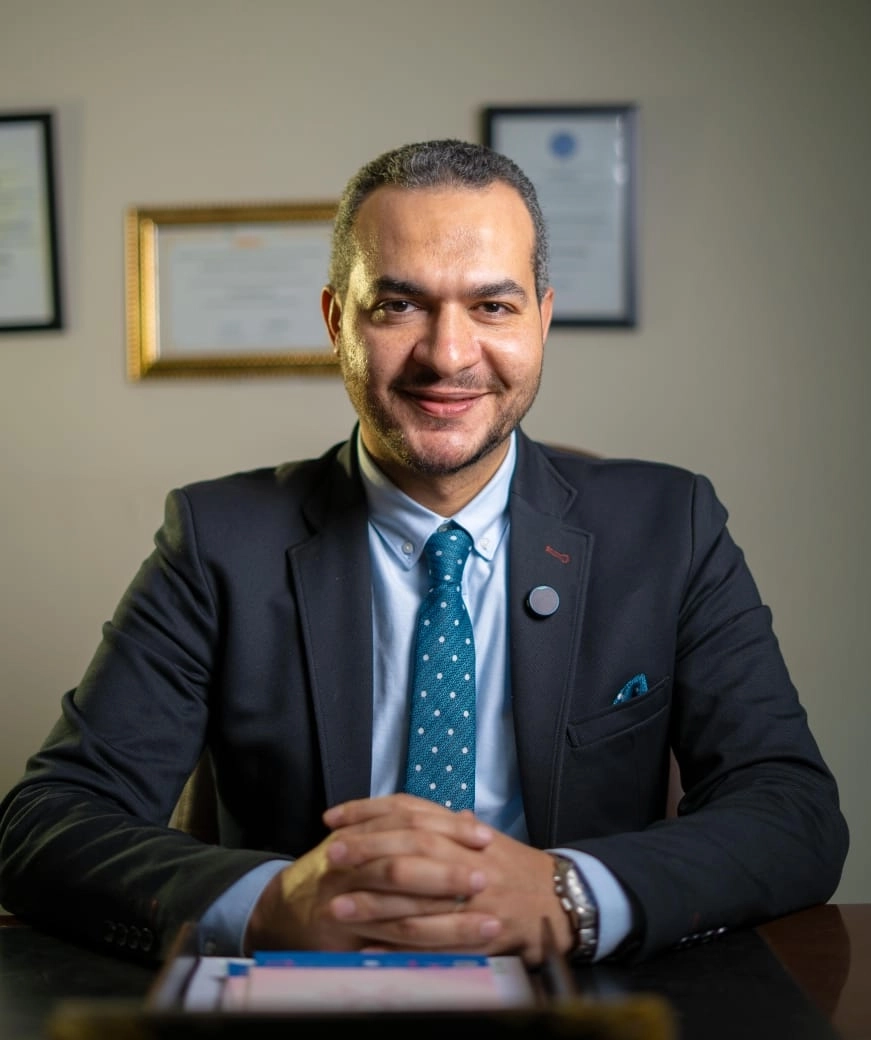

Published on: 2025-09-06 | Written by: Dr. Ahmed Al-Khatib Prof of Oncology Surgery
Breast cosmetic and reconstructive surgery is a highly precise medical specialty aimed at improving the aesthetic appearance of the breasts and restoring self-confidence after injury or previous surgeries.
These surgeries include breast augmentation, breast reduction, breast lift, and breast reconstruction after tumor removal or radiation therapy, significantly enhancing the physical and psychological quality of life of women.
Dr. Ahmed El-Khatib confirms that modern medical advancements have enabled these procedures to be performed safely and accurately, minimizing complications and speeding up recovery time.
Breast cosmetic surgeries help address many conditions, including:
Breast asymmetry or natural shape irregularities.
Breast sagging due to pregnancy, breastfeeding, or aging.
Enhancing self-confidence and overall appearance.
Dr. Ahmed El-Khatib emphasizes that accurate diagnosis and medical evaluation before surgery ensure the selection of the most suitable procedure for each case.
Breast reconstruction surgeries are used after tumor removal or partial mastectomy due to cancer, and include:
Using medical implants to restore natural breast volume.
Using autologous tissue to naturally reshape the breast.
Performing laparoscopic-assisted surgery in some cases to minimize scarring and speed recovery.
Dr. Ahmed El-Khatib confirms that breast reconstruction not only restores shape but also significantly improves a woman’s emotional and psychological well-being after surgery.
Dr. Ahmed El-Khatib points out that using modern techniques such as microsurgery and precise endoscopic tools helps to:
Increase surgical accuracy and improve outcomes.
Reduce postoperative complications and pain.
Accelerate recovery time and return to daily life more quickly.
Dr. Ahmed El-Khatib emphasizes the importance of following medical instructions before and after surgery, including:
Conducting comprehensive medical tests to assess overall health.
Adhering to a specific diet and surgical guidelines.
Monitoring wound healing and attending regular follow-ups.
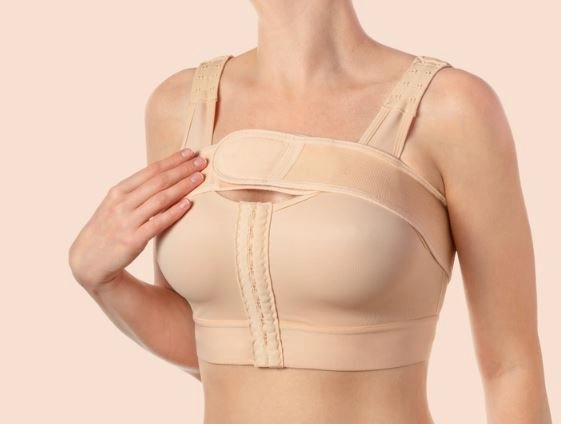
Using support garments such as medical bras to reduce pressure on the surgical area.