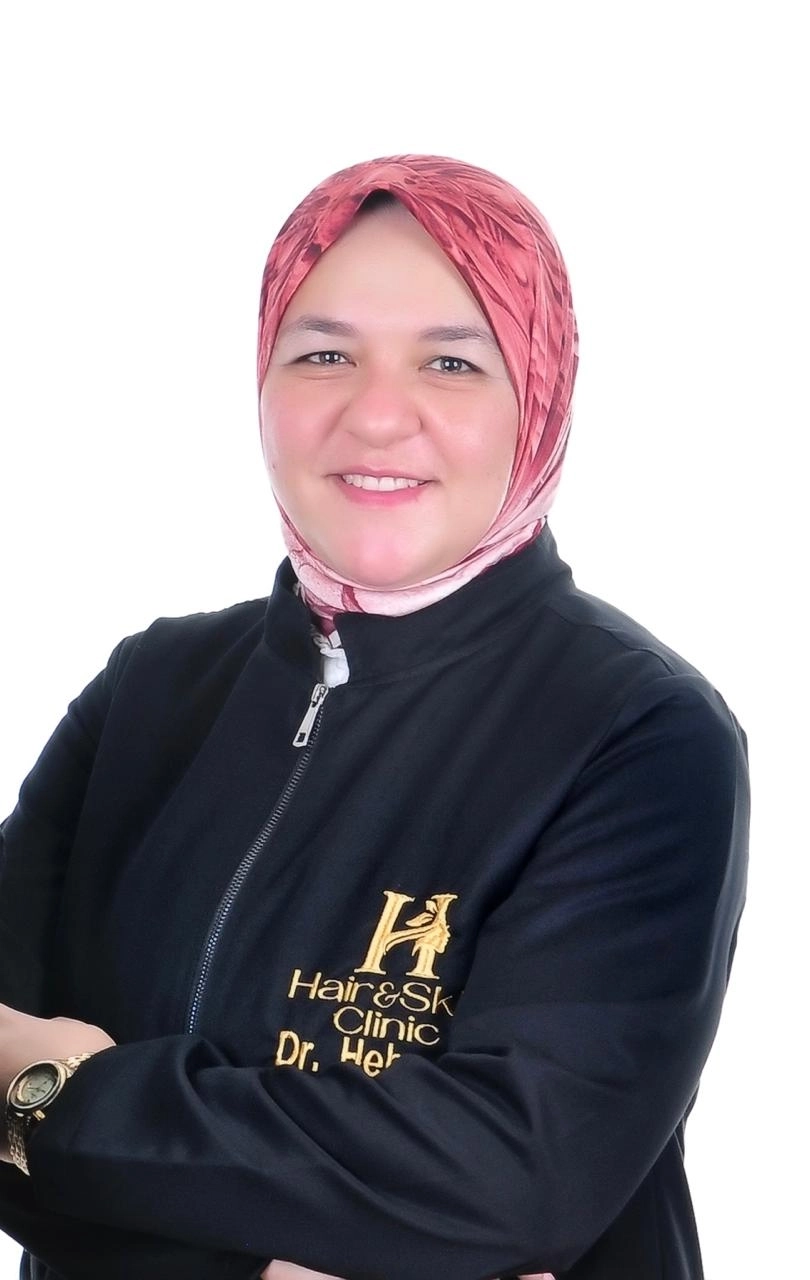

Published on: 2025-08-31 | Written by: Dr. Heba Ali Antar, Dermatologist
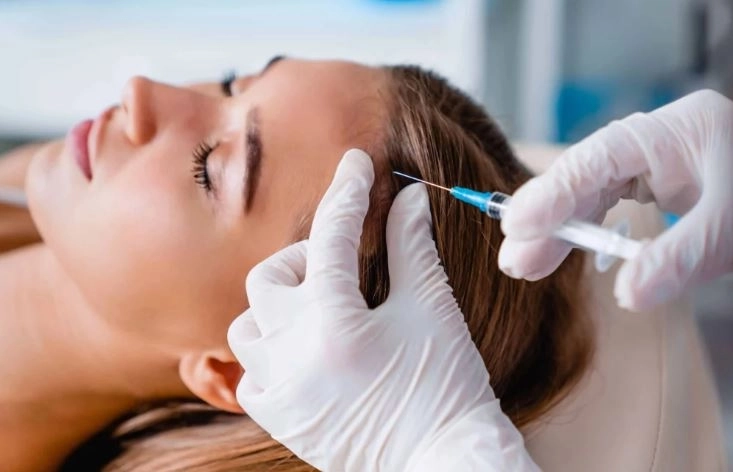
Hair loss is one of the most common issues affecting both men and women of different ages. It often causes worry and has a negative impact on self-confidence and overall appearance. Hair loss may result from genetic, hormonal, nutritional, or psychological factors. However, with advancements in dermatology and cosmetic medicine, treating hair loss has become possible through various effective methods.
Genetics: Such as male and female pattern baldness.
Hormonal imbalance: Common after pregnancy, childbirth, or thyroid disorders.
Nutritional deficiencies: Including iron, zinc, and vitamin D.
Dermatological conditions: Such as alopecia areata or scalp infections.
Stress and psychological factors: A major influence on the hair growth cycle.
Harsh chemical treatments: Such as repeated hair straightening or strong dyes.
Medications like minoxidil to stimulate hair growth.
Nutritional supplements containing essential vitamins and minerals.
Mesotherapy: Injecting vitamins and amino acids to nourish hair follicles.
Platelet-Rich Plasma (PRP): Enhances blood circulation and activates hair growth.
Low-level laser devices that stimulate and strengthen hair follicles.
Recommended for advanced cases of hair loss or genetic baldness.
Involves transferring healthy hair follicles to bald areas.
Using medical shampoos suitable for the scalp.
Following a protein- and vitamin-rich diet.
Reducing stress and maintaining overall wellness.
Dr. Heba Ali Antar, consultant dermatologist and cosmetologist, emphasizes that hair loss treatment always begins with accurate diagnosis before starting any treatment plan.
She explains that results vary from patient to patient, depending on the cause and severity.
She highlights that combining medical therapy with local injections such as mesotherapy or PRP often leads to faster and more effective results.
Dr. Heba stresses the importance of patience and consistency, as hair requires enough time to regain its density and strength.
Eat a balanced diet rich in proteins, iron, and zinc.
Drink enough water daily.
Use dermatologically approved hair products suitable for your scalp.
Avoid excessive use of dyes and harsh chemical treatments.
Care for your mental health and minimize stress.