
Published on: 2025-06-12 | Written by: Dr. Shaimaa Al-Jabali, Obstetrics and Gynecology Consultant
Many women experience health issues related to the ovaries, but there is a significant difference between Polycystic Ovary Syndrome (PCOS) and ovarian inflammation. Understanding the distinction is crucial for proper diagnosis and effective treatment. In this article, Dr. Shaimaa El-Gebaly, Obstetrics and Gynecology Specialist, clearly explains the difference between the two conditions.
PCOS is a common hormonal disorder affecting women of reproductive age. It is characterized by the presence of small cysts on the ovaries and an imbalance in female hormones.
Irregular or absent menstrual periods
Excessive hair growth on the face and body (hirsutism)
Difficulty getting pregnant (infertility)
Weight gain or trouble losing weight
Acne and oily skin
Thinning hair or hair loss on the scalp
Ovarian inflammation refers to an infection affecting one or both ovaries, often as part of Pelvic Inflammatory Disease (PID).
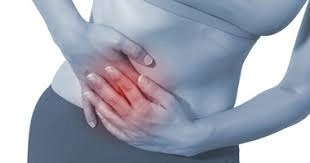
Persistent or sharp lower abdominal pain
Fever or elevated body temperature
Unusual vaginal discharge
Pain during intercourse or urination
General fatigue or chills
| Aspect | PCOS | Ovarian Inflammation |
|---|---|---|
| Cause | Chronic hormonal imbalance | Bacterial or viral infection |
| Duration | Long-term, chronic condition | Acute, requires immediate treatment |
| Treatment | Lifestyle changes, hormonal medications, cycle regulation | Antibiotics, pain relief, close medical follow-up |
| Treatment Goal | Hormonal balance and improved fertility | Eradicating infection and preventing complications |
“Don’t ignore abnormal menstrual symptoms or pelvic pain. Early diagnosis is key to effective treatment and avoiding long-term complications such as infertility or chronic pelvic adhesions.”