
Published on: 2025-08-31 | Written by: Dr. Heba Ali Antar, Dermatologist
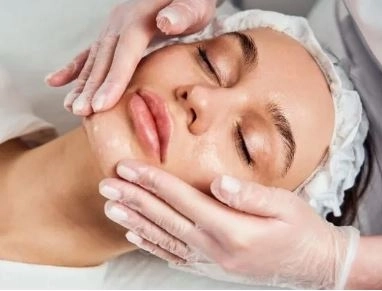
Skin pigmentation and dark spots are among the most common concerns for both men and women, as they directly affect the beauty and brightness of the face. Pigmentation often develops due to multiple factors such as excessive sun exposure, hormonal changes, previous skin inflammations, or even aging.
Today, with advancements in dermatology and cosmetic medicine, these problems can be treated safely and effectively using a combination of medical and modern cosmetic approaches.
Sun exposure: One of the leading causes of dark spots and melasma.
Hormonal changes: Common during pregnancy or due to certain medications.
Post-inflammatory hyperpigmentation: Appears after acne or skin injuries.
Aging: Causes age spots to develop over time.
Genetics: Some people are naturally more prone to pigmentation.
Contain active ingredients such as hydroquinone, vitamin C, niacinamide, and kojic acid.
Work by inhibiting melanin production, the pigment responsible for skin color.
Use acids such as AHA and BHA to exfoliate the upper skin layers.
Promote skin renewal and stimulate collagen production.
Considered one of the most advanced solutions for pigmentation.
Precisely target pigmented cells to help even out skin tone.
Involve injecting nourishing and regenerative substances into the skin.
Gradually lighten the skin and improve texture.
Daily use of sunscreen.
Keeping the skin well-moisturized.
Following a healthy diet rich in antioxidants.
Dr. Heba Ali Antar, consultant dermatologist and cosmetologist, emphasizes that pigmentation treatment is not only about removing dark spots but also about preventing them from reappearing by adopting a healthy lifestyle and using sunscreen regularly.
She highlights that choosing the right treatment varies from one patient to another, depending on skin type and the severity of pigmentation.
She stresses the importance of combining medical and cosmetic treatments for faster and more effective results.
Dr. Heba adds that consistent skincare after treatment is the true guarantee for maintaining radiant and healthy skin.
Use sunscreen daily, even in winter.
Avoid direct sun exposure during peak hours.
Commit to a daily skincare routine (cleansing – moisturizing – treatment).
Eat foods rich in vitamins C and E to enhance skin glow.
Consult a dermatologist if new spots or unusual skin changes appear.