
Published on: 2025-06-12 | Written by: Dr. Yasser Yahya, Vascular Surgery Consultant
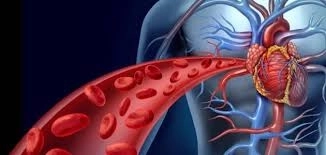
Coronary artery disease and peripheral artery stenosis are among the leading causes of heart attacks and strokes, especially with the increasing prevalence of risk factors such as high cholesterol, diabetes, and smoking. Balloon angioplasty and stent placement have emerged as effective and safe treatment options to prevent serious cardiac complications. Dr. Yasser Yehia, consultant in cardiology and interventional catheterization, explains this advanced procedure and its life-saving role.
It’s a minimally invasive procedure performed through cardiac or peripheral catheterization, where a small balloon is inserted into the narrowed artery and inflated to widen the affected area, restoring proper blood flow. Often, this is followed by the placement of a metal stent to keep the artery open long-term.
A stent is a small mesh metal tube placed inside the artery after balloon inflation. It works to:
Prevent the artery from re-narrowing
Improve blood flow to the heart or limbs
Reduce the risk of recurrent heart attacks or angina
Stable or unstable angina (chest pain)
Acute heart attack (myocardial infarction)
Peripheral artery disease (especially in the legs)
Sometimes used as a safer alternative to open-heart surgery
Chest pain or pressure during exertion or rest
Unexplained shortness of breath
Leg pain while walking (known as intermittent claudication)
General fatigue and reduced physical endurance
A thin catheter is inserted through an artery in the wrist or groin
Dye is injected to visualize the arteries clearly
The narrowing is precisely located
A balloon is inflated to open the artery
A metal stent is placed to keep the artery open
The catheter is removed and the access site is closed
"Balloon angioplasty and stenting are safe and effective procedures that can save lives when performed at the right time," says Dr. Yasser Yehia.
Non-surgical (performed under local anesthesia)
Very short recovery period (patients often go home within 24–48 hours)
Improves symptoms and quality of life
Reduces long-term medication dependence