
Published on: 2025-08-20 | Written by: Dr. Manal Abdullah Consultant in Obstetrics
Dr. Manal Mohamed Abdallah explains that vaginal cosmetic procedures are a group of treatments designed to improve certain aesthetic or functional concerns involving the vagina and surrounding tissues, with the appropriate procedure depending on the woman’s condition, symptoms, and treatment goals, making a specialized medical evaluation important before deciding on any procedure.
Dr. Manal Mohamed Abdallah explains that some women may consider vaginal cosmetic procedures because of changes in the appearance or elasticity of the tissues after childbirth or with aging, while in other cases the goal may be to address certain functional concerns, making it important to discuss expectations, potential outcomes, and possible risks with the physician before treatment.
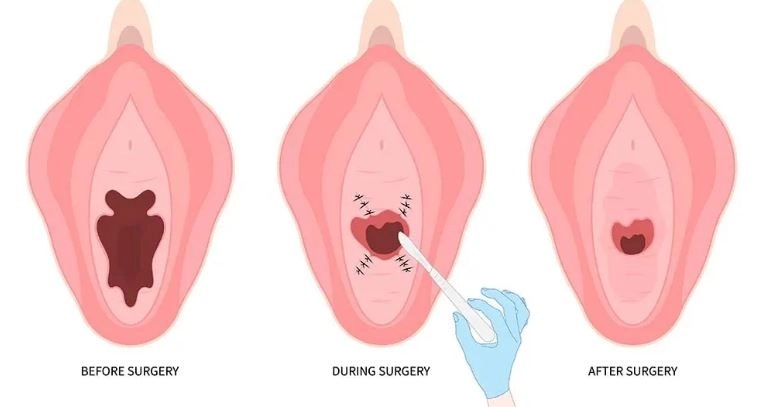
The variety of vaginal cosmetic procedures includes options such as vaginoplasty, labiaplasty, and procedures designed to repair or improve tissues affected by childbirth, with the appropriate technique depending on the individual condition and medical assessment, as there is no single procedure suitable for every woman.
Dr. Manal Mohamed Abdallah explains that vaginal delivery may lead to changes in the pelvic floor muscles and surrounding tissues in some women, including a feeling of reduced tissue tightness, while some cases may require medical evaluation and treatment, and normal changes after childbirth do not necessarily mean that cosmetic surgery is required.
Medical evaluation before surgery is important to understand the patient’s medical history, symptoms, and specific concerns, while examining the affected area can help determine whether a cosmetic surgical procedure, pelvic floor physical therapy, medical treatment, or another approach is more appropriate.
Abdominoplasty, commonly known as a tummy tuck, is a surgical procedure designed to remove excess skin and, in appropriate cases, excess fat from the abdominal area, while the abdominal muscles may also be tightened or repaired when necessary, helping improve abdominal contour after pregnancy or significant weight changes when loose skin does not respond sufficiently to diet and exercise.
Dr. Manal Mohamed Abdallah explains that pregnancy can cause stretching of the abdominal skin and muscles, leading to loose skin and stretch marks that may persist after childbirth, and the condition can be evaluated once pregnancy has ended and the woman’s weight has stabilized, taking her overall health and future pregnancy plans into consideration.
Abdominoplasty is not a weight-loss procedure and should not be considered a substitute for a healthy diet, physical activity, or medical treatment for obesity, as its primary purpose is to remove excess skin and improve abdominal contour, making assessment of the patient’s weight and general health an important part of preparation.
Abdominal muscle tightening may be considered for women who develop separation of the abdominal muscles, particularly after pregnancy, and when surgery is appropriate, the abdominal muscles may be repaired as part of the tummy tuck procedure, although the need for this step varies from one patient to another.
Dr. Manal Mohamed Abdallah explains that abdominoplasty and liposuction are different procedures, as a tummy tuck primarily focuses on removing excess skin and may include abdominal muscle repair, while liposuction is designed to remove localized fat deposits from specific areas, and the two procedures may sometimes be combined following appropriate medical evaluation.
Choosing the right candidate for abdominoplasty requires evaluation of body weight, overall health, skin elasticity, abdominal looseness, muscle separation, and previous surgeries, and the procedure is generally best postponed when a woman is planning a pregnancy in the near future because pregnancy can affect the surgical results.
Preparation for abdominoplasty involves a comprehensive medical assessment, which may include reviewing the patient’s medical history and medications, performing any necessary tests, evaluating whether the weight is stable, discussing realistic expectations, and providing detailed instructions for the recovery period.
Recovery after a tummy tuck varies from one patient to another depending on the extent of surgery and overall health, and patients may need to avoid strenuous activity and heavy lifting for a period determined by their physician, while following wound-care instructions and attending scheduled follow-up appointments.
Dr. Manal Mohamed Abdallah explains that all surgical procedures carry potential risks, including bleeding, infection, pain, swelling, scarring, and wound-healing problems, while additional risks may vary depending on the type of procedure and the patient’s medical condition, making it important to discuss benefits, risks, and alternatives with the physician.
Choosing a qualified specialist is important because vaginal cosmetic procedures and abdominoplasty require careful assessment and appropriate surgical expertise, while thorough consultation before surgery can help establish treatment goals, select the appropriate technique, explain expected results, and clarify the recovery process.
Assessing expected results is important because the goal of cosmetic surgery is to improve appearance or function according to the individual’s condition, rather than achieve one specific ideal appearance for every woman, and results can vary depending on factors such as age, body weight, skin elasticity, tissue characteristics, and adherence to postoperative instructions.
Dr. Manal Mohamed Abdallah confirms that vaginal cosmetic procedures and abdominoplasty may help some women address specific aesthetic or functional concerns, particularly after pregnancy, childbirth, or significant changes in body weight, but selecting the appropriate procedure should always be based on a specialized medical evaluation, overall health assessment, and realistic expectations, along with proper preparation, postoperative care, and regular medical follow-up to support the best possible outcome.