

Published on: 2025-06-12 | Written by: Professor Dr. Sameh Ragab, Consultant Neurosurgeon
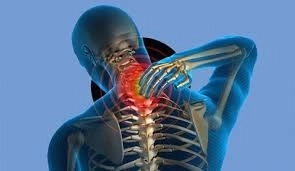
Spinal nerve compression is one of the most common causes of pain and numbness in the limbs. It can affect any part of the spine, from the cervical (neck) region down to the lower back. Dr. Sameh Ragab, a specialist in orthopedic and spinal surgery, emphasizes that early detection of symptoms can help prevent serious complications, such as muscle weakness or sensory loss.
Spinal nerve compression occurs when a nerve emerging from the spinal cord is compressed due to a herniated disc, spinal stenosis, tumor, or inflammation. This compression causes pain, numbness, or weakness in the area served by the affected nerve.
Neck pain radiating to the shoulder or arm
Numbness or tingling in the fingers
Weakness in the arm or hand muscles
Occasional headache at the back of the head
Pain in the mid-back area
Burning or tightness between the shoulder blades
Rarely: abnormal sensations in the chest or abdomen
Lower back pain radiating to the leg (sciatica)
Numbness or tingling in the foot or toes
Leg weakness or difficulty walking
In severe cases: loss of bladder or bowel control (a medical emergency)
Dr. Sameh Ragab uses the following diagnostic tools:
Comprehensive neurological examination
Muscle strength and reflex testing
MRI scans to accurately identify nerve compression sites
Sometimes electromyography (EMG) to assess nerve damage
Rest and avoiding activities that worsen symptoms
Anti-inflammatory medications and pain relievers
Physical therapy sessions to strengthen supporting muscles
Specific exercises to relieve nerve pressure
Cortisone injections near the affected nerve to reduce inflammation and pain
When conservative treatments fail or neurological symptoms worsen
Procedures may include disc removal or spinal decompression surgery
“The earlier spinal nerve compression is diagnosed, the better the chance of successful non-surgical treatment,” says Dr. Sameh Ragab.