

Oncology and Liver Transplantation: Precision in Specialization with Dr. Mohamed Bakhit
Published on: 2025-08-19 | Written by: Dr. Mohamed Bakhit, Consultant Hepatobiliary
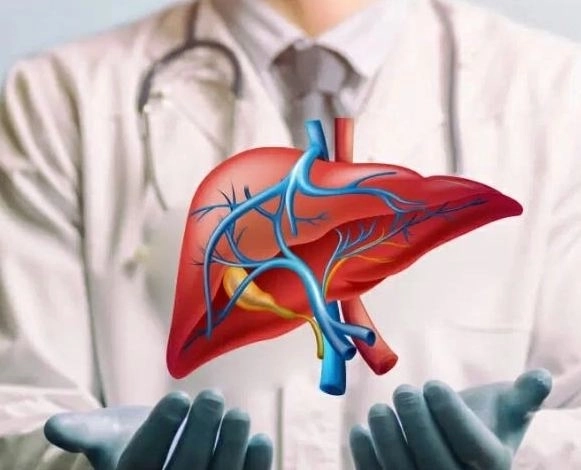
Cancer Treatment and Liver Transplantation: Precision in Specialty and Excellence in Outcomes
Cancer treatment and liver transplantation are highly specialized fields that require extensive experience and advanced technologies. Dr. Mohamed Bakhit stresses the importance of handling such cases in specialized centers to avoid complications and achieve the best outcomes.
The Importance of Early Diagnosis in Liver Cancer Treatment
Dr. Mohamed Bakhit explains that early diagnosis of liver tumors greatly contributes to selecting the appropriate treatment—whether surgical or medical—and increases the chances of full recovery.
Liver Transplantation Techniques and Their Role in Saving Lives
Dr. Mohamed Bakhit confirms that liver transplantation is one of the most effective solutions for advanced liver disease and failure. It requires careful evaluation of both the patient and the donor's overall health condition.
The Precision of Surgery and Its Role in Tumor Removal
Dr. Mohamed Bakhit emphasizes that removing liver tumors requires precise surgical intervention using advanced techniques that reduce blood loss and preserve the liver’s vital functions.
Post-Transplant Follow-Up is Essential
Dr. Mohamed Bakhit warns that the post-transplant stage is just as critical as the surgery itself. It demands regular monitoring, frequent lab tests, and strict medication adherence to ensure stability.
Experience is Key to Successful Cancer Treatment and Liver Transplantation
Dr. Mohamed Bakhit explains that his 20+ years of experience in liver and pancreas surgeries and liver transplantation enable him to handle complex cases with accuracy and high efficiency.
The Role of a Multidisciplinary Medical Team in Improving Outcomes
Dr. Mohamed Bakhit confirms that having a specialized team in oncology, surgery, and critical care significantly increases the success rates of liver transplants and enhances cancer treatment results.

