

Published on: 2025-08-12 | Written by: Dr. Hind Ahmed AlSoussi Consultant Cardiologist
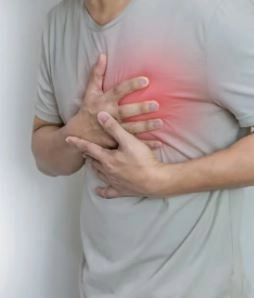
Dr. Hend El-Sousy explains that heart palpitations refer to the sensation of feeling the heartbeat clearly, whether it feels fast, strong, irregular, or like an extra or skipped beat, while rapid heartbeat generally refers to a resting heart rate above 100 beats per minute in adults, which may occur as a normal response to physical activity or emotional stress or may be related to a heart rhythm disorder that requires medical evaluation.
Symptoms of Heart Palpitations
Heart palpitations may feel like fluttering in the chest, strong or rapid heartbeats, or an irregular heartbeat, and the sensation may sometimes extend to the neck or throat, with episodes lasting seconds, minutes, or longer depending on the underlying cause and the patient’s health condition.
Causes of Heart Palpitations
The causes of heart palpitations can include temporary factors such as stress, anxiety, fatigue, lack of sleep, and excessive caffeine consumption, as well as electrolyte imbalances, certain medications, thyroid disorders, anemia, and in some cases abnormal heart rhythms.
Causes of Rapid Heartbeat
Dr. Hend El-Sousy confirms that rapid heartbeat does not always indicate heart disease, as it can naturally occur during exercise, fear, emotional stress, pain, or fever, while it may also be associated with dehydration, anemia, an overactive thyroid gland, certain medications, or abnormal heart rhythms.
Can Anxiety Cause Heart Palpitations?
The effects of stress and anxiety can include increased awareness of the heartbeat or temporary acceleration of the heart rate, meaning some people may experience palpitations during periods of fear, stress, or anxiety, but recurrent or unexplained palpitations should still be medically evaluated to rule out an underlying condition.
Heart Palpitations and Heart Rhythm Disorders
Heart rhythm disorders can cause palpitations and irregular or rapid heartbeats, including conditions such as atrial fibrillation and certain types of supraventricular tachycardia, and recording the heart rhythm during symptoms can help identify the underlying cause.
The Importance of an Electrocardiogram
An electrocardiogram (ECG) is one of the most important initial tests used to identify abnormal heart rhythms, particularly when performed during an episode of palpitations, although some episodes are intermittent and the ECG may be normal when symptoms are absent, in which case ambulatory heart monitoring may be recommended.
The Role of a Holter Monitor
Holter monitoring uses a portable device that records the heart’s electrical activity over an extended period, often 24 hours or longer, and the recordings can be compared with a patient’s symptom diary to help determine whether palpitations are associated with an abnormal heart rhythm during daily activities.
The Importance of Medical Testing to Identify the Cause
Dr. Hend El-Sousy emphasizes that diagnosing the cause of heart palpitations and rapid heartbeat begins with reviewing the patient’s medical history, symptoms, duration, frequency, triggers, and associated factors, while the physician may request blood tests to evaluate conditions such as thyroid disorders, anemia, or electrolyte abnormalities, in addition to ECG and other investigations when necessary.
Can Caffeine Cause a Rapid Heartbeat?
The effects of caffeine can contribute to palpitations in some individuals, particularly when consuming large amounts of coffee, energy drinks, or other caffeinated beverages, so reducing caffeine may help when symptoms are clearly associated with its consumption, although recurrent palpitations should not automatically be attributed to caffeine without proper medical evaluation.
The Relationship Between Dehydration and Heart Palpitations
Dehydration can contribute to an increased heart rate in some people, especially when accompanied by significant fluid or electrolyte loss, making adequate hydration important according to the individual’s health condition, while persistent or unusual palpitations require medical evaluation.
Heart Palpitations and Thyroid Disorders
Thyroid function can affect heart rate, and an overactive thyroid gland may contribute to rapid heartbeat or palpitations, which is why thyroid function tests may be recommended when symptoms or other clinical findings suggest a possible hormonal cause.
Heart Palpitations and Anemia
The relationship between anemia and palpitations may involve an increased heart rate when hemoglobin levels are low, making blood tests potentially useful when evaluating the cause of palpitations, depending on the patient’s symptoms and medical history.
When Should Heart Palpitations Be Medically Evaluated?
Dr. Hend El-Sousy confirms that recurrent palpitations, prolonged episodes, or symptoms that interfere with daily activities should be medically evaluated, particularly when accompanied by dizziness, shortness of breath, chest pain, or a feeling of impending fainting, as new or changing symptoms should not be ignored.
When Is Rapid Heartbeat an Emergency?
Rapid heartbeat accompanied by severe symptoms requires urgent medical attention when associated with chest pain or pressure, severe shortness of breath, fainting, severe dizziness, or signs of significant weakness or instability, as certain abnormal heart rhythms can be serious and require prompt diagnosis and treatment.
Treatment of Heart Palpitations and Rapid Heartbeat
Treatment of palpitations focuses on identifying and addressing the underlying cause, which may involve correcting dehydration, treating anemia or thyroid disorders, or adjusting certain medications, while specific heart rhythm disorders may require medications or specialized procedures depending on the type and severity of the rhythm abnormality.
The Importance of Not Stopping Heart Medications Without Medical Advice
Dr. Hend El-Sousy emphasizes that patients should never stop heart medications or change their doses without consulting their physician, as certain medications are prescribed to control heart rate or rhythm disorders, and inappropriate changes may negatively affect the patient’s condition.
Conclusion
Dr. Hend El-Sousy explains that heart palpitations and rapid heartbeat are common symptoms that may result from temporary factors such as stress, caffeine, and fatigue, or from conditions requiring medical evaluation such as thyroid disorders, anemia, electrolyte abnormalities, and heart rhythm disorders, making appropriate medical assessment important when symptoms recur, persist, or occur with chest pain, shortness of breath, dizziness, or fainting.