
Published on: 2025-08-09 | Written by: Dr. Mohamed Issa, Lecturer of Neurology
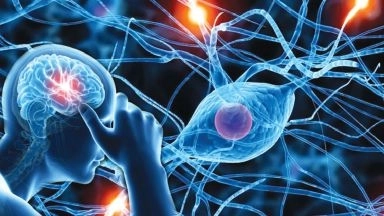
Dr. Mohamed Eissa emphasizes that neurological diseases encompass a wide range of conditions affecting the central and peripheral nervous systems, impacting various body functions.
He explains that these diseases can be acute or chronic, including conditions such as stroke, epilepsy, multiple sclerosis, and Alzheimer's disease.
He confirms that early diagnosis plays a significant role in improving treatment outcomes and recovery chances.
He warns about the importance of monitoring symptoms and not ignoring any unusual signs that may appear in patients.
Dr. Mohamed Eissa emphasizes the importance of paying attention to symptoms like persistent headaches, dizziness, muscle weakness, and changes in consciousness or memory.
He explains that some symptoms may be subtle, such as difficulty concentrating or sleep disturbances, but they might indicate neurological disorders requiring thorough evaluation.
He confirms that early detection of these symptoms helps prevent condition deterioration.
He warns patients to consult a doctor immediately if sudden symptoms occur, such as loss of movement or speech.
He emphasizes that the causes of these diseases are varied, including genetic factors, infections, injuries, and sometimes immune or environmental factors.
He explains that strokes often result from blockage or bleeding in the brain’s blood vessels.
He confirms that diseases like multiple sclerosis and Parkinson’s are linked to immune system malfunctions or neuronal degeneration.
He warns that factors such as high blood pressure, diabetes, and smoking increase the risk of developing these diseases.
He emphasizes the importance of using imaging techniques like MRI and CT scans in diagnosing neurological diseases.
He explains that diagnosis also relies on clinical examination and patient medical history.
He confirms that accurate diagnosis helps formulate an appropriate treatment plan for each case.
He warns that tests should be conducted under specialist supervision to ensure accurate results.
Dr. Mohamed Eissa emphasizes the importance of combining medication, physical rehabilitation, and psychological support to achieve the best outcomes.
He explains that each patient requires a tailored treatment plan depending on the disease type and severity.
He confirms that neurological rehabilitation plays a crucial role in restoring lost functions and improving quality of life.
He warns about the importance of continuous follow-up with the doctor to adjust treatment based on patient response.
He emphasizes the necessity of following a healthy diet, regular exercise, and avoiding smoking and alcohol.
He explains that maintaining blood pressure and blood sugar within normal ranges reduces the risk of disease.
He confirms that adequate sleep and stress reduction protect the nervous system.
He warns about the importance of regular check-ups for early detection of any potential problems.