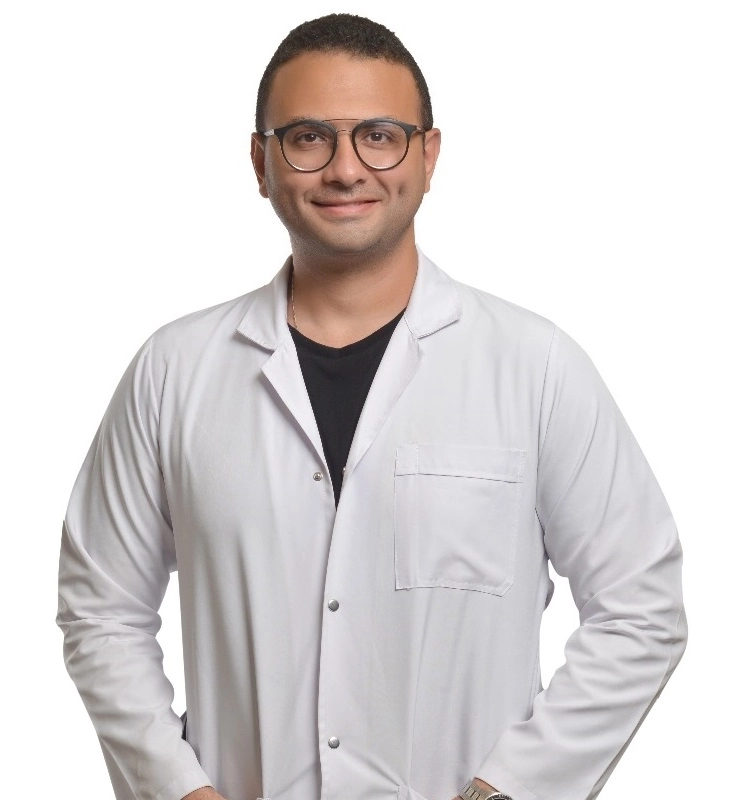
Published on: 2025-08-07 | Written by: Dr. Rasha Al-Shabaki, Orthodontic Consultant
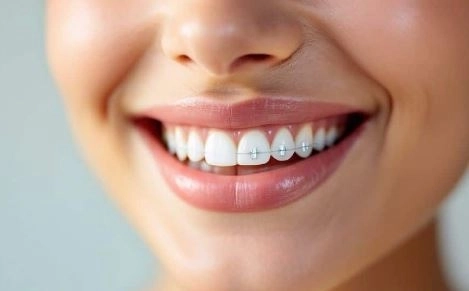
Orthodontics is one of the most important medical and cosmetic dental treatments aimed at correcting the alignment of teeth and jaws to improve both function and appearance. Dr. Rasha El-Shabaky, an orthodontic specialist, confirms that orthodontic treatment is not only about enhancing aesthetics but also plays a crucial role in promoting oral health.
Orthodontics is a dental specialty focused on correcting the position of teeth and jaws using various orthodontic appliances such as metal braces, ceramic braces, clear aligners, or lingual braces. These devices gradually move the teeth to their proper positions to improve bite and function.
The reasons for needing orthodontic treatment vary, including:
Crowded or misaligned teeth
Bite problems such as open bite or crossbite
Protruding teeth or jaws
Speech and breathing issues related to jaw position
Facilitating proper cleaning and maintaining gum health
Improving appearance and boosting self-confidence
Dr. Rasha El-Shabaky points out that the ideal time to start orthodontic treatment is during childhood or early adolescence, between the ages of 10 and 14, when the growth of jaws and teeth is more flexible, making correction easier. However, orthodontic treatment is also effective for adults with modern techniques suitable for all ages.
Traditional Metal Braces: The most commonly used, known for strength and effectiveness.
Ceramic Braces: Similar to metal braces but less visible due to tooth-colored brackets.
Clear Aligners (Invisalign): Transparent, removable trays that are comfortable and nearly invisible.
Lingual Braces: Attached to the inner surface of the teeth, invisible from the outside.
Examination and Diagnosis: Includes X-rays and analysis of teeth and jaw condition to develop a treatment plan.
Appliance Placement: Installing braces or aligners according to the treatment plan.
Regular Follow-ups: To adjust the appliances and gradually move the teeth.
Retention Phase: After treatment completion, retainers are used to maintain teeth position.
Maintain oral hygiene using appropriate toothbrushes and floss.
Avoid hard and sticky foods that can damage appliances.
Attend all scheduled appointments to ensure treatment progress.
Report any unusual pain or appliance issues immediately to the dentist.
Be patient, as treatment duration varies from several months to years depending on the case.
Improves chewing and digestion.
Prevents gum disease and tooth decay through better alignment.
Corrects speech problems related to teeth and jaw positions.
Reduces jaw and head pain caused by bite misalignment.
Enhances self-confidence through a healthy, beautiful smile.