Published on: 2025-08-06 | Written by: Dr. Ashraf Yahya, Gastroenterology and Liver Consultant
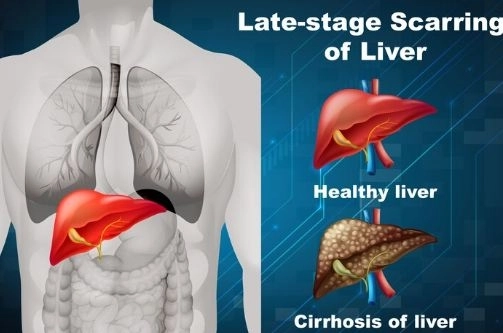
The liver is one of the body's most vital organs, performing numerous essential functions, including filtering toxins from the blood, producing bile, regulating metabolism, storing vitamins and minerals, and synthesizing proteins and blood clotting factors. Because of these critical roles, liver diseases can have a significant impact on overall health if they are not diagnosed and treated promptly. Advances in diagnostic methods and treatment options now make it possible to detect liver diseases at earlier stages, improving treatment outcomes and reducing the risk of serious complications.
What Are Liver Diseases?
Dr. Ashraf Yehia explains that liver diseases include a wide range of conditions, such as viral hepatitis, fatty liver disease, liver cirrhosis, liver tumors, autoimmune liver diseases, and disorders affecting the bile ducts. These conditions vary in their causes, symptoms, and severity, making an accurate diagnosis essential for selecting the most appropriate treatment plan for each patient.
Symptoms of Liver Diseases
Dr. Ashraf Yehia emphasizes that liver diseases may not cause noticeable symptoms during their early stages. As the condition progresses, patients may develop persistent fatigue, jaundice (yellowing of the skin and eyes), pain in the upper right side of the abdomen, loss of appetite, nausea, swelling of the legs or abdomen, and changes in the color of urine or stool. These symptoms should never be ignored, and prompt medical evaluation is essential for early diagnosis and treatment.
Diagnosis of Liver Diseases
Dr. Ashraf Yehia confirms that the diagnosis of liver diseases is based on a detailed medical history, physical examination, liver function tests, viral hepatitis screening, abdominal ultrasound, computed tomography (CT) scans or magnetic resonance imaging (MRI) when indicated, assessment of liver fibrosis, and, in selected cases, a liver biopsy. These diagnostic tools help identify the underlying cause of the disease and guide the development of an individualized treatment strategy.
Treatment of Liver Diseases
Dr. Ashraf Yehia points out that the treatment of liver diseases depends on the underlying cause and may include antiviral medications, lifestyle modifications for fatty liver disease, immunosuppressive therapy for autoimmune liver disorders, management of cirrhosis-related complications, and advanced therapeutic interventions when necessary. Adhering to the prescribed treatment plan and attending regular follow-up appointments are essential for achieving the best possible outcomes.
How to Prevent Liver Diseases
Dr. Ashraf Yehia explains that preventing liver diseases involves maintaining a healthy body weight, following a balanced diet, engaging in regular physical activity, avoiding alcohol consumption, refraining from taking medications without medical advice, and receiving recommended vaccinations against certain types of viral hepatitis when appropriate. These preventive measures can significantly reduce the risk of developing many liver conditions.
The Importance of Regular Follow-Up
Regular medical follow-up is essential for maintaining liver health, especially for individuals at increased risk, including those with diabetes, obesity, viral hepatitis, or a family history of liver disease. Routine monitoring allows healthcare providers to detect abnormalities early and initiate timely treatment before complications arise.
Tips for Maintaining a Healthy Liver
To support optimal liver health, it is recommended to:
Follow a balanced diet rich in fruits and vegetables.
Exercise regularly to maintain a healthy body weight.
Avoid smoking and alcohol consumption.
Undergo regular medical checkups, particularly if you have risk factors.
Take medications only under medical supervision and follow your physician's recommendations.
Early diagnosis and appropriate treatment of liver diseases are essential for preserving liver function and preventing serious complications. In addition, regular medical follow-up, adherence to treatment, and maintaining a healthy lifestyle play a vital role in improving long-term outcomes, protecting liver health, and enhancing overall quality of life.