Published on: 2025-08-06 | Written by: Dr. Ashraf Yahya, Gastroenterology and Liver Consultant
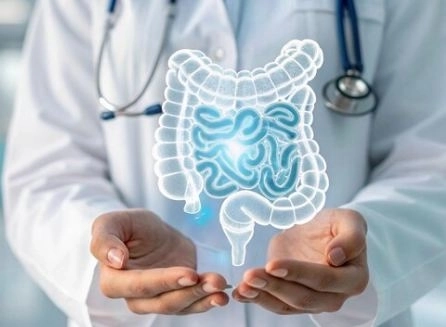
Irritable Bowel Syndrome (IBS) is one of the most common gastrointestinal disorders, affecting the normal function of the large intestine without the presence of an identifiable structural disease. Patients may experience recurring symptoms such as abdominal pain, bloating, excessive gas, constipation, diarrhea, or alternating constipation and diarrhea, all of which can significantly affect daily activities and overall well-being. With an accurate diagnosis and an individualized treatment plan, IBS symptoms can be effectively managed, allowing patients to enjoy a healthier and more comfortable lifestyle.
What Is Irritable Bowel Syndrome (IBS)?
Dr. Ashraf Yehia explains that Irritable Bowel Syndrome (IBS) is a functional disorder of the large intestine (colon) that affects bowel movement and intestinal sensitivity. The condition is often associated with factors such as psychological stress, unhealthy dietary habits, abnormal bowel motility, and increased sensitivity of the nerves within the digestive tract. Because these factors vary among individuals, the severity and frequency of symptoms differ from one patient to another.
Symptoms of Irritable Bowel Syndrome
Dr. Ashraf Yehia emphasizes that the symptoms of IBS commonly include recurrent abdominal pain or cramping, bloating, excessive gas, constipation, diarrhea, alternating bowel habits, and a feeling of incomplete bowel evacuation. Symptoms often become worse during periods of stress or after consuming certain foods. Therefore, a thorough medical evaluation is essential to exclude other gastrointestinal conditions that may present with similar symptoms.
Diagnosis of Irritable Bowel Syndrome
Dr. Ashraf Yehia confirms that the diagnosis of IBS is based on a detailed medical history, a comprehensive physical examination, and careful evaluation of the patient's symptoms and their duration. In some cases, additional laboratory tests, endoscopic examinations, or imaging studies may be recommended to rule out inflammatory bowel disease, infections, or other organic gastrointestinal disorders before confirming the diagnosis.
Treatment of Irritable Bowel Syndrome
Dr. Ashraf Yehia points out that the treatment of IBS focuses on lifestyle modification, adopting a healthy diet, avoiding foods that trigger symptoms, reducing stress, and using medications prescribed according to the patient's specific symptoms, whether they are intended to relieve abdominal cramps, constipation, diarrhea, or bloating. Consistent adherence to the treatment plan and regular follow-up appointments are essential for achieving the best possible results.
The Best Diet for Patients with IBS
Dr. Ashraf Yehia explains that following a healthy, balanced diet plays a crucial role in controlling IBS symptoms. Patients are encouraged to eat regular meals, drink adequate amounts of water, reduce fatty and spicy foods, limit carbonated beverages and caffeine, and gradually increase dietary fiber according to individual tolerance. Identifying and avoiding personal food triggers is also an important part of long-term symptom management.
The Importance of Stress Management in IBS Treatment
Psychological stress is one of the most common factors associated with worsening IBS symptoms. Therefore, regular physical activity, relaxation techniques, adequate sleep, and maintaining a healthy balance between work and rest can significantly reduce symptom severity and improve the effectiveness of medical treatment.
Tips for Living with Irritable Bowel Syndrome
To help manage IBS symptoms, it is recommended to:
Eat small, regular meals throughout the day.
Drink plenty of water daily.
Avoid foods that trigger symptoms.
Exercise regularly to support digestive health.
Follow your prescribed treatment plan and attend regular medical follow-up appointments.
Irritable Bowel Syndrome (IBS) is a common digestive disorder that can be effectively managed through accurate diagnosis, individualized treatment, healthy lifestyle modifications, a balanced diet, and effective stress management. These measures help reduce symptom recurrence, improve digestive health, and enhance overall quality of life, while regular medical follow-up ensures the best long-term outcomes.