
Published on: 2025-06-12 | Written by: Dr. Bishoy Makram and Dr. Peter Emil Dental Clinic
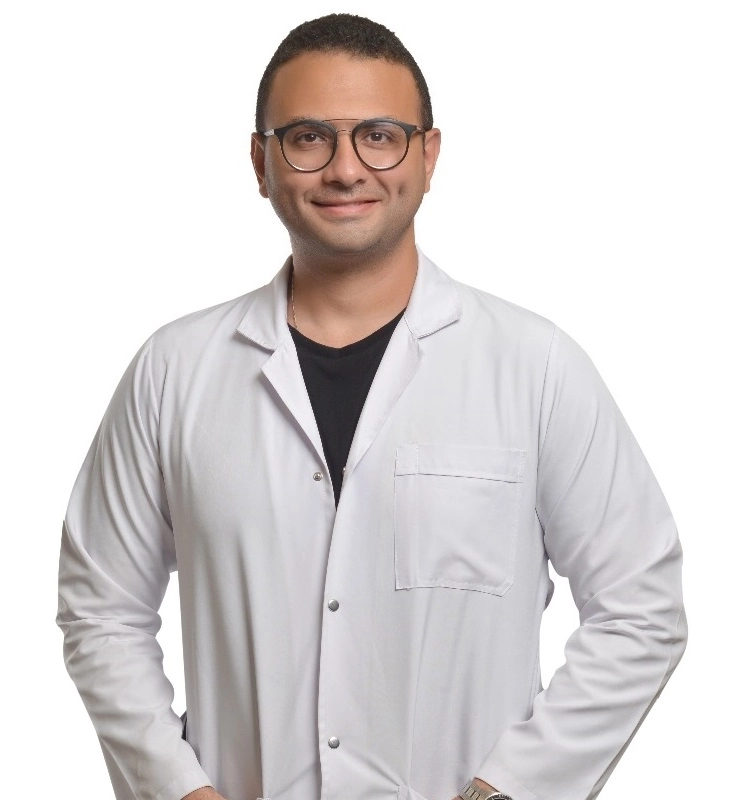
In the world of dentistry, many people confuse cosmetic fillings with therapeutic fillings, although each serves a distinct purpose in maintaining both the health and beauty of teeth. Dr. Bishoy Makram, a specialist in dental treatment and aesthetics, explains the key differences between these two types of fillings and when each is recommended.
Therapeutic fillings are used to treat tooth decay or damage caused by fractures or wear. Their primary function is to restore the tooth’s structure and function, and to prevent the problem from worsening, such as reaching the nerve or resulting in tooth loss.
Materials Used:
Commonly used materials include amalgam (silver) or composite resin (light-cured).
When Are They Used?
Deep cavities
After cleaning out decay
To treat broken or worn-down teeth
Cosmetic fillings are used not only to repair teeth but also to enhance their appearance. They're a popular choice for people who want a flawless smile without opting for more invasive procedures like veneers.
Materials Used:
Typically made of high-quality composite resins that match the natural tooth color for optimal aesthetic results.
When Are They Used?
To fix discoloration or minor cracks
To close gaps between teeth (diastema)
To reshape teeth without significant filing
As an aesthetic upgrade from old metal fillings
| Aspect | Therapeutic Fillings | Cosmetic Fillings |
|---|---|---|
| Main Purpose | To treat decay or structural damage | To improve appearance |
| Materials Used | Amalgam, composite | High-quality tooth-colored composite |
| Color Matching | Moderate | Excellent color match |
| Treatment Time | Usually faster | Takes more time for aesthetic precision |
| Cost | More affordable | Generally more expensive due to aesthetics |
Dr. Bishoy Makram emphasizes that choosing the right type of filling should depend on a detailed assessment of the tooth’s condition and the patient’s goals—whether restorative or cosmetic. He also highlights the importance of using high-quality materials for durability and aesthetic appeal.
“Sometimes, it’s possible to combine functionality with beauty, giving the patient a healthy and confident smile,” says Dr. Bishoy Makram.