

Published on: 2025-08-05 | Written by: Dr. Amr Shehata, Obstetrics and Gynecology Specialist
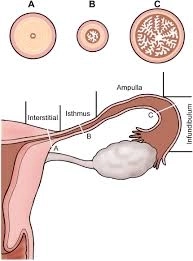
Hydrosalpinx is a medical condition affecting the fallopian tube, where fluid accumulates due to blockage, leading to negative effects on pregnancy and embryo implantation—whether in natural conception or IVF.
Dr. Amr Shahta explains that this condition is one of the major factors affecting pregnancy success in some women.
Hydrosalpinx and fallopian tube blockage can occur due to several causes, including:
Pelvic inflammatory disease (PID): Infections can lead to PID, causing hydrosalpinx and blockage of the fallopian tube.
Endometriosis: Inflammation of the uterine lining can result in fallopian tube blockage and fluid buildup.
Appendicitis: Inflammation of the appendix may cause damage and block the fallopian tube.
Previous pelvic surgeries: Surgeries in the pelvic area may lead to adhesions and blockage of the fallopian tubes.
Dr. Amr Shahta emphasizes the importance of early diagnosis to avoid complications.
Effects of Hydrosalpinx on Pregnancy:
Toxicity to embryos: The fluid collected in the fallopian tube can be toxic to embryos, reducing the chances of successful implantation.
Uterine environment disruption: The presence of fluid may disturb the uterine environment, affecting the ability to conceive and maintain a pregnancy.
Increased risk of ectopic pregnancy: Hydrosalpinx increases the risk of ectopic pregnancy due to adhesions inside and around the tubes, as noted by Dr. Amr Shahta in various clinical cases.
Higher risk of recurrent miscarriage: The toxic fluid may prevent proper embryo attachment to the uterine lining, contributing to recurrent miscarriage, according to Dr. Amr Shahta and recent medical studies.
It is crucial to consult a doctor to identify the underlying cause and determine the appropriate treatment. It is always recommended to follow up with fertility specialists such as Dr. Amr Shahta, who has extensive experience in this field.