
Published on: 2025-08-05 | Written by: Ahmed AlAbbani Consultant Oral Maxillofacial

Facial and jaw surgery is one of the most delicate and complex branches of surgery. It combines both aesthetic and functional goals, aiming to correct congenital or acquired deformities, restore facial harmony, and improve vital functions such as speech, chewing, and breathing.
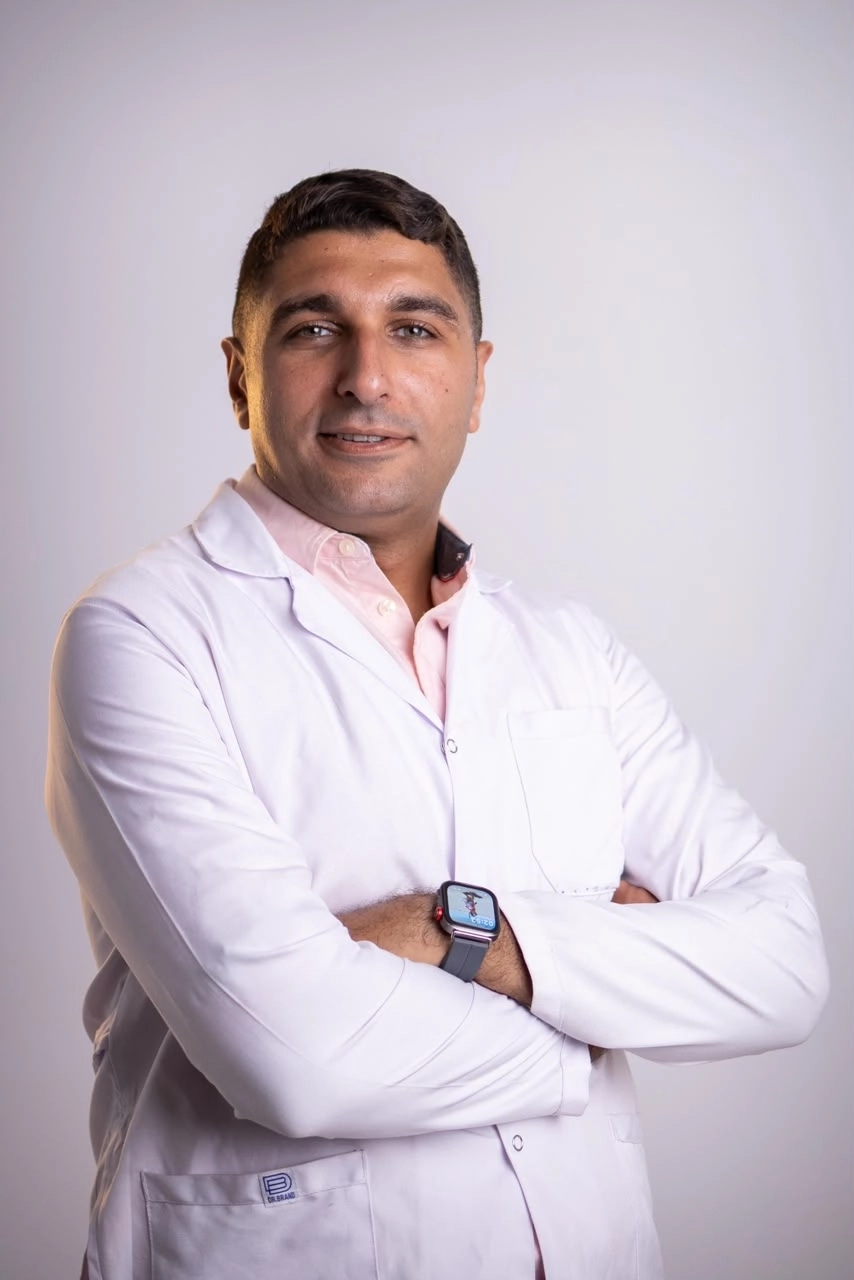
Dr. Ahmed Al-Abbani, a specialist in plastic and maxillofacial surgery, emphasizes that this type of surgery requires a comprehensive evaluation and specialized expertise to ensure safe and effective results.
According to Dr. Al-Abbani, the most common conditions requiring surgery include:
Protruding or recessed upper or lower jaw
Jaw misalignment or facial asymmetry
Congenital deformities (e.g., cleft lip or palate)
Facial injuries or trauma
Jaw tumors or cysts
Temporomandibular joint (TMJ) disorders
Bite issues affecting speech or chewing
As explained by Dr. Ahmed Al-Abbani, the type of surgery depends on the condition:
Performed to correct jaw alignment and facial balance, often in collaboration with orthodontists.
Removal of benign or malignant tumors while preserving both function and facial aesthetics.
Restoration of facial and jaw bones after accidents to prevent permanent deformities.
To treat chronic pain, limited jaw movement, or joint disorders.
For reshaping or enhancing the chin or jawline, such as chin augmentation or facial slimming.
Comprehensive evaluations, including CT scans and lab tests
Coordinated planning between the surgeon, orthodontist, and anesthesiologist
Thorough discussion of goals, risks, and expectations with the patient
Dr. Al-Abbani stresses the importance of clear understanding and communication before proceeding with surgery.
Swelling and bruising are common and subside within 2 to 4 weeks
Patients may require a special diet initially (liquids then soft foods)
Return to daily activities typically occurs within 3 to 4 weeks, depending on the procedure
Regular follow-up to monitor healing and jaw alignment
Dr. Al-Abbani confirms that facial and jaw surgery can bring about life-changing results, both aesthetically and functionally.
He states:
"Success in these surgeries isn't just about improving appearance — it's about improving the patient's quality of life both physically and emotionally."
Choose a qualified, experienced surgeon
Undergo a full clinical and radiological assessment
Be honest about your goals and expectations
Strictly follow post-operative care instructions for the best outcome