
Published on: 2025-07-30 | Written by: Dr. Ahmed Mohi, Consultant General
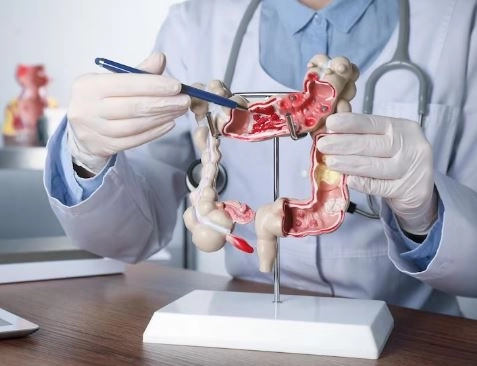
Dr. Ahmed Mohi confirms that colon and anal surgeries, as well as tumors in these areas, are highly specialized fields requiring great expertise to handle cases with maximum safety and effectiveness, preserving digestive function and improving patients’ quality of life.
Colon and anal tumors include a group of growths that can be benign or malignant (cancerous) in the large intestine and anal area.
These tumors include:
Benign polyps which may develop into cancer if untreated.
Colorectal cancer, one of the most common cancers worldwide.
Anal tumors such as anal cancer, abscesses, and fistulas.
Dr. Ahmed Mohi highlights several risk factors, including:
Age over 50 years.
Family history of colon tumors.
Chronic inflammatory bowel diseases like ulcerative colitis.
Diet high in fat and low in fiber.
Smoking and obesity.
Rectal bleeding or blood in the stool.
Changes in bowel habits like persistent constipation or diarrhea.
Pain or sensation of incomplete bowel emptying.
Unexplained weight loss and general fatigue.
Dr. Ahmed Mohi stresses the importance of early diagnosis, which involves:
Detailed clinical examination.
Colonoscopy to examine the entire colon and take tissue samples for biopsy.
CT scans and MRI to assess tumor spread.
Blood tests to evaluate overall health.
Surgeries vary according to tumor type, location, and size, including:
Polyp and small tumor removal via endoscopy, which is minimally invasive and has faster recovery.
Partial colectomy or rectal resection in cancer cases, with reconnection of the intestines or creation of temporary or permanent stomas depending on the case.
Fistula and anal abscess surgery to treat infections and tumors of the anal region.
Dr. Ahmed Mohi confirms that modern surgery relies on advanced techniques such as laparoscopic and robotic surgery, which reduce pain and speed up healing.
Chemotherapy and radiotherapy in cancer cases depending on tumor stage.
Nutritional and psychological support throughout the treatment period.
Regular screening especially for those over 50 or with family history.
Healthy, fiber-rich diet.
Regular exercise.
Avoid smoking and excessive weight.
Seek medical advice promptly if alarming symptoms appear.