

Published on: 2025-07-30 | Written by: Dr. Ahmed Mahmoud Saleh, Head and Neck and Endocrine Surgeons
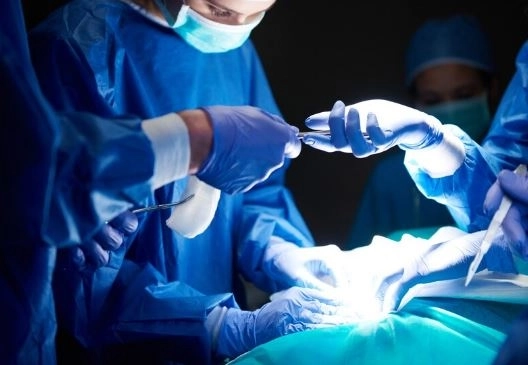
Dr. Ahmed Mahmoud Saleh confirms that gallbladder and appendix removal are common and safe surgical procedures that help treat many health conditions and improve patients’ quality of life.
The gallbladder is a small organ located under the liver that stores bile which helps digest fats.
Dr. Ahmed Mahmoud Saleh explains that gallbladder removal is usually performed in cases of:
Gallstones causing severe pain or recurrent infections.
Acute cholecystitis that does not respond to medication.
Rare gallbladder tumors.
Disorders affecting bile flow.
The removal is mostly done laparoscopically (minimally invasive surgery), allowing gallbladder extraction through small incisions, reducing pain and speeding up recovery.
Dr. Ahmed Mahmoud Saleh confirms that this procedure is very safe and has fewer complications compared to traditional open surgery.
The appendix is a small finger-like pouch attached to the large intestine, which can become inflamed causing appendicitis.
Dr. Ahmed Mahmoud Saleh explains that appendix removal is necessary when symptoms such as:
Sudden pain in the lower right abdomen.
Nausea and vomiting.
Fever.
Loss of appetite.
appear.
The appendix can be removed either by open surgery or laparoscopically, with laparoscopic surgery preferred due to less pain and faster recovery.
Dr. Ahmed Mahmoud Saleh confirms that most patients resume normal activities within a few weeks after gallbladder or appendix removal.
Reduction of chronic pain and complications caused by infections or stones.
Improvement in quality of life and ability to eat normally without pain.
Follow the doctor’s instructions regarding diet and rest.
Avoid fatty foods for a certain period after gallbladder removal.
Engage in light walking post-surgery to aid recovery.
Immediately consult the doctor if abnormal symptoms such as fever or severe pain occur.