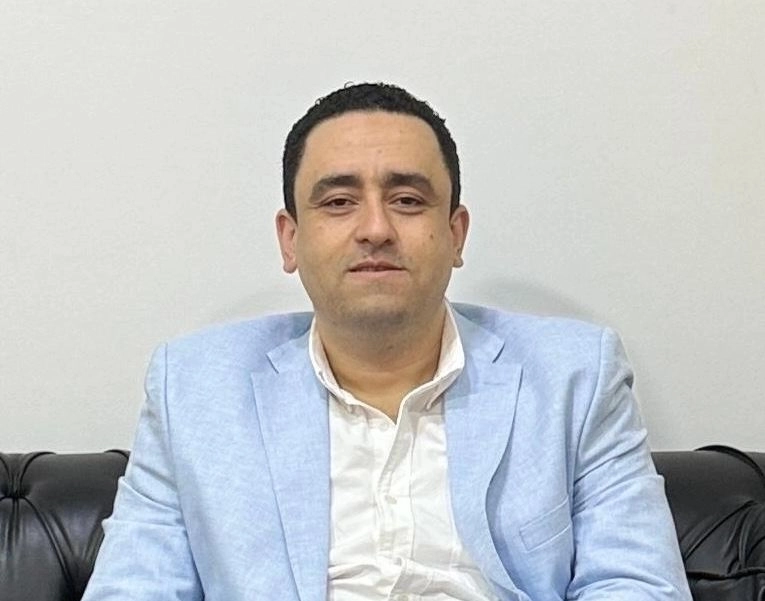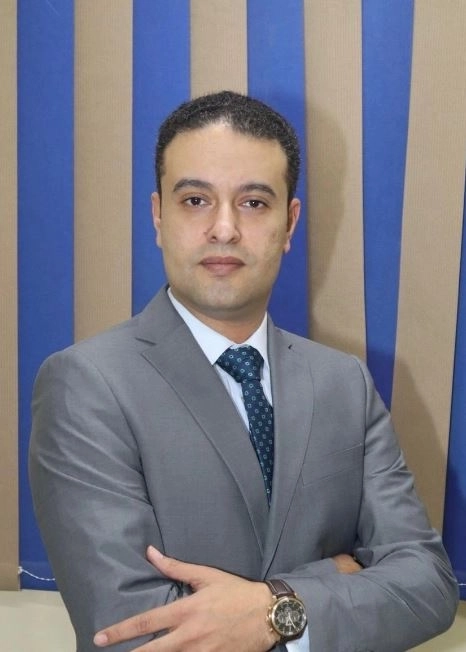

Published on: 2025-07-30 | Written by: Dr. Mohamed Farouk Mustafa, Professor of Oncology and Nuclear Medicine

Radiotherapy and chemotherapy are among the most important methods used in cancer treatment, whether the tumors are benign or malignant. Despite their high effectiveness in destroying cancer cells, they may cause some temporary side effects.
Dr. Mohamed Farouk Mostafa, a specialist in oncology, confirms that controlling these side effects and improving the patient’s quality of life are top priorities for the medical care team.
Dr. Mohamed Farouk Mostafa explains that chemotherapy affects rapidly dividing cells, which leads to the following common side effects:
Nausea and vomiting
Hair loss
Fatigue and general tiredness
Weakened immunity and higher risk of infection
Mouth sores
Loss of appetite or changes in taste
He notes that side effects vary from patient to patient, depending on the type of tumor, treatment dosage, and the patient’s overall health condition.
Radiotherapy targets a specific area of the body, so the side effects tend to be localized and may include:
Redness, itching, or dryness of the skin
Sore throat or difficulty swallowing (especially when treating the neck area)
Diarrhea or abdominal cramps (when treating the pelvic or abdominal area)
Chronic fatigue and exhaustion
Localized hair loss
Dr. Mohamed Farouk Mostafa emphasizes that most of these symptoms are temporary and gradually subside after completing the treatment.
According to Dr. Mohamed Farouk Mostafa, reducing side effects requires a comprehensive care plan that includes:
To evaluate the patient’s condition early and manage symptoms as soon as they appear.
Rely on small, nutrient-rich meals high in protein and vitamins
Stay hydrated by drinking fluids regularly
Avoid fried and spicy foods if experiencing mouth sores or digestive issues
Such as anti-nausea drugs, immune boosters, and nutritional supplements
Prescribed by the doctor as needed to relieve symptoms
Use medical moisturizers to reduce skin irritation from radiotherapy
Avoid direct sunlight exposure
Dr. Mostafa highlights that the patient’s mental state plays a major role in their response to treatment.
Family support and psychological counseling help reduce stress and improve mood.
Dr. Mohamed Farouk Mostafa advises immediate medical attention in the following cases:
Fever or elevated body temperature
Unexplained bleeding
Severe mouth or throat ulcers
Breathing difficulty
Severe or unusual pain
Don’t delay treatment sessions or lab tests
Strictly follow the doctor’s instructions
Do not take any medications or herbs without consultation
Share your feelings with the medical team or a psychological counselor
Trust the treatment journey and remember that most side effects are temporary