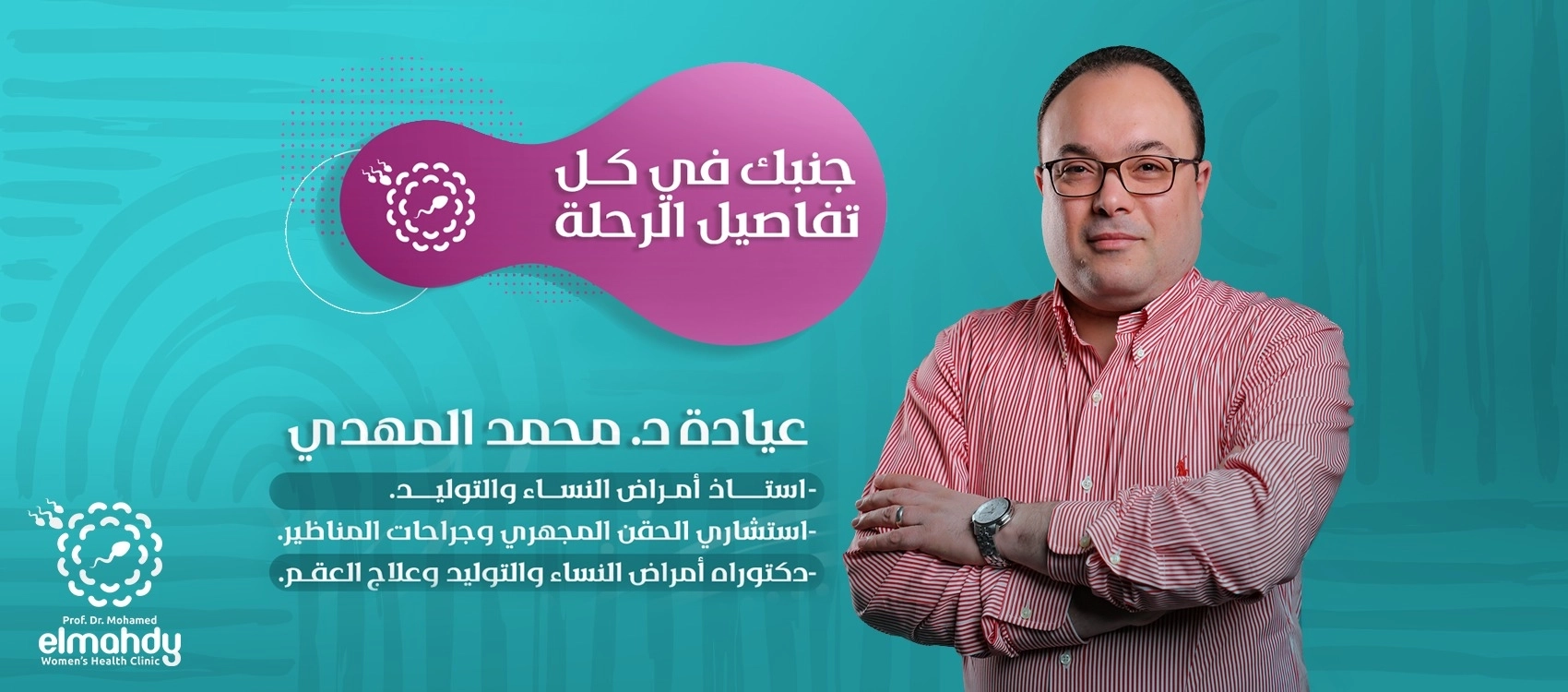

Published on: 2025-07-30 | Written by: Professor Mohamed El Mahdy, Professor of Obstetrics

Gynecology and obstetrics are essential medical specialties that impact every stage of a woman’s life—from puberty, through the reproductive years, pregnancy, and childbirth, to menopause. Dr. Mohamed El-Mahdy, a specialist in gynecology and obstetrics, affirms that medical awareness and routine check-ups are the first line of defense in protecting a woman’s physical and mental well-being.
Dr. Mohamed El-Mahdy points out several common conditions that require medical attention and follow-up, including:
Irregular cycles, heavy bleeding, or severe pain
These may indicate hormonal imbalances, PCOS, or benign tumors
A major cause of delayed pregnancy
Dr. El-Mahdy emphasizes the importance of medical treatment, dietary changes, and consistent monitoring
Symptoms include itching, abnormal discharge, and painful intercourse
Early diagnosis and treatment are vital to prevent serious complications
Including fibroids, functional cysts, or other masses
Dr. El-Mahdy stresses the importance of early detection to avoid invasive procedures
Dr. Mohamed El-Mahdy confirms that regular antenatal check-ups are essential for a safe and healthy pregnancy, whether it's a natural or cesarean birth. These include:
Ultrasound scans to track fetal growth and position
Tests for blood pressure, blood sugar, and anemia
Nutritional and emotional counseling
Planning for delivery and postpartum care
He also highlights the importance of postnatal care for both mother and baby, especially in the early stages of breastfeeding and recovery.
Dr. El-Mahdy emphasizes that delayed pregnancy doesn’t always indicate infertility. A thorough evaluation of both partners is necessary before initiating any treatment plan. Important investigations include:
Hormonal tests and ovulation monitoring
Ultrasound or dye test to assess the uterus and fallopian tubes
Semen analysis for the male partner
Diagnostic laparoscopy in certain cases
He affirms that accurate diagnosis and timely intervention are key to successful treatment.
Dr. Mohamed El-Mahdy explains that choosing the right contraceptive method depends on a woman’s age, health status, and family size. Common methods include:
Oral contraceptive pills
Intrauterine devices (IUDs), hormonal or copper
Monthly or quarterly injections
Subdermal implants
He stresses the importance of consulting a doctor to choose the most suitable and safe option.
Dr. El-Mahdy affirms that women, especially those over 40, should undergo routine check-ups to detect health issues early, including:
Breast exams and mammograms
Pap smears to check for cervical abnormalities
Hormonal level assessments
Menopause-related health screenings
Don’t ignore unusual symptoms
Maintain a healthy weight and stay active
Visit your gynecologist regularly, even without symptoms
Never self-medicate
Eat a balanced diet to support hormonal health