
Published on: 2025-07-30 | Written by: Professor Mohamed El Mahdy, Professor of Obstetrics
With the rapid advancement in medical science, IVF (In Vitro Fertilization) and laparoscopic surgeries have become two of the most effective solutions for treating infertility in both men and women. Dr. Mohamed El-Mahdy, a specialist in infertility and delayed pregnancy, affirms that these technologies have achieved high success rates and brought new hope to countless couples.
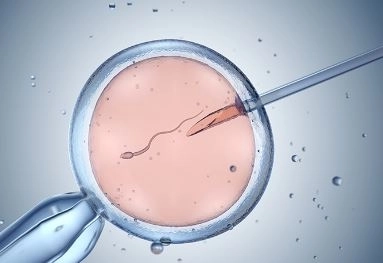
IVF is one of the most advanced assisted reproductive technologies. It is particularly useful in cases of male infertility or failed natural fertilization. Dr. Mohamed El-Mahdy explains that IVF involves fertilizing an egg with a single sperm under a microscope, then implanting the resulting embryo into the uterus after confirming its viability.
Severely low sperm count or motility
Blocked fallopian tubes
Failed previous IUI (intrauterine insemination) attempts
Unexplained infertility despite normal tests
Ovarian stimulation using hormone medications.
Egg retrieval under sedation.
Sperm sample collection and preparation.
Fertilization under the microscope.
Embryo monitoring and transfer on day 3 or 5.
Pregnancy test conducted two weeks after embryo transfer.
Dr. Mohamed El-Mahdy emphasizes that laparoscopic surgeries have transformed the diagnosis and treatment of gynecological conditions, especially those affecting fertility. These procedures are minimally invasive, resulting in less pain and shorter recovery times.
Diagnostic and therapeutic laparoscopy: For identifying adhesions, endometriosis, or ovarian cysts.
Hysteroscopy (uterine endoscopy): To treat polyps, uterine septum, or intrauterine adhesions.
Myomectomy (fibroid removal): Done laparoscopically to preserve fertility.
High diagnostic and treatment accuracy
Less postoperative pain
Faster recovery time
Positive impact on fertility outcomes
Dr. Mohamed El-Mahdy explains that combining laparoscopic procedures with IVF can significantly increase the chances of success, especially in complex infertility cases. Some patients may require removal of cysts, treatment of uterine issues, or clearing adhesions before starting assisted reproductive treatments.
Complete medical testing before treatment
Maintain a healthy weight
Avoid smoking and alcohol
Stay mentally and emotionally balanced
Choose an experienced specialist and clinic