

Published on: 2025-07-17 | Written by: Dr. Imad Ahmed Abdel-Ati Orthopedic Consultant
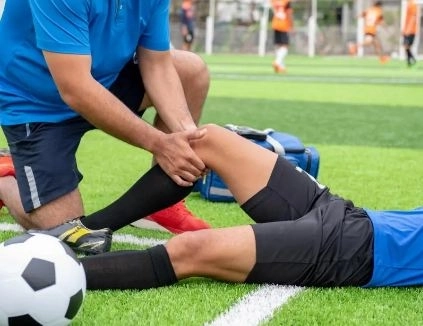
Sports injuries and ligament tears are among the most common musculoskeletal injuries affecting athletes and physically active individuals. They may occur due to sudden twisting movements, falls, direct impact, or repetitive stress on the joints, leading to pain, swelling, joint instability, and limited mobility. Early diagnosis and an individualized treatment plan play a crucial role in accelerating recovery, restoring joint function, and reducing the risk of recurrent injuries or long-term complications.
What Are Sports Injuries and Ligament Tears?
Dr. Emad Ahmed Abdel Aty explains that sports injuries include a wide range of conditions affecting the bones, ligaments, cartilage, tendons, and muscles, while ligament tears occur when the ligaments that stabilize a joint are overstretched or torn. These injuries may range from mild sprains to partial or complete ligament tears, depending on the severity of the trauma.
Causes and Symptoms of Ligament Tears
Dr. Emad Ahmed Abdel Aty emphasizes that the most common causes of ligament tears include sudden movements, sports-related trauma, improper jumping or landing techniques, accidents, and weakness of the muscles surrounding the joint. Typical symptoms include sharp pain, swelling, bruising, limited joint movement, a feeling of instability, and difficulty performing normal daily or athletic activities.
Diagnosis of Sports Injuries
Dr. Emad Ahmed Abdel Aty confirms that diagnosing sports injuries and ligament tears requires a comprehensive physical examination, joint stability tests, X-rays to rule out fractures, and magnetic resonance imaging (MRI) to evaluate ligaments, cartilage, and tendons. An accurate diagnosis helps determine the severity of the injury and allows the physician to select the most appropriate treatment for each patient.
Treatment Options for Sports Injuries and Ligament Tears
Dr. Emad Ahmed Abdel Aty points out that the treatment of sports injuries and ligament tears depends on the severity of the injury. Management may include rest, cold compresses, joint immobilization, physical therapy, anti-inflammatory medications, and, in more severe cases, surgical intervention or arthroscopic procedures to repair or reconstruct damaged ligaments. The primary goal of treatment is to restore joint function and enable patients to safely return to their daily activities or sports.
The Importance of Physical Therapy and Rehabilitation
Dr. Emad Ahmed Abdel Aty explains that physical therapy and rehabilitation are essential components of recovery from sports injuries. Muscle-strengthening exercises, balance training, flexibility improvement, and range-of-motion exercises help accelerate healing, improve joint stability, reduce the risk of reinjury, and restore optimal physical performance after treatment.
Tips for Preventing Sports Injuries
To reduce the risk of sports injuries and ligament tears, it is recommended to:
Perform proper warm-up exercises before engaging in physical activity.
Strengthen the muscles surrounding the joints through regular exercise.
Wear appropriate athletic footwear and protective equipment.
Avoid sudden movements and excessive physical strain during training.
Stop exercising and seek medical evaluation if you experience pain or joint instability.
When Should You Consult an Orthopedic Specialist?
You should consult an orthopedic specialist if you experience severe pain, significant swelling, inability to move the joint, difficulty bearing weight, or persistent symptoms despite rest and initial treatment, as early medical intervention can minimize complications and improve treatment outcomes.
The successful treatment of sports injuries and ligament tears depends on early diagnosis, an individualized treatment plan, comprehensive rehabilitation, and regular medical follow-up. These essential steps help relieve pain, restore joint function, improve mobility, and enable patients to safely return to their daily activities and athletic performance while reducing the risk of future injuries.