

Published on: 2025-07-17 | Written by: Dr. Imad Ahmed Abdel-Ati Orthopedic Consultant
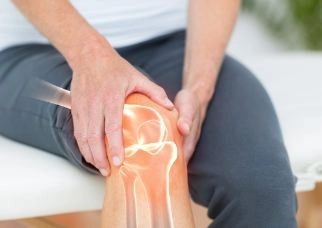
Osteoarthritis of the joints and knee is one of the most common musculoskeletal conditions, particularly among individuals with aging, excess body weight, previous joint injuries, or repetitive stress on the joints. It occurs when the articular cartilage that cushions the ends of the bones gradually wears away, leading to pain, stiffness, reduced mobility, and difficulty performing daily activities. Early diagnosis and a personalized treatment plan are essential for relieving symptoms, preserving joint function, slowing disease progression, and improving overall quality of life.
What Is Osteoarthritis of the Joints and Knee?
Dr. Emad Ahmed Abdel Aty explains that osteoarthritis of the joints and knee is a condition caused by the gradual wear and degeneration of the articular cartilage, which normally reduces friction between the bones within the joint. As the cartilage deteriorates, the bones begin to rub against each other, resulting in pain, swelling, stiffness, and limited joint movement. The severity of osteoarthritis can range from mild to advanced depending on the extent of cartilage damage.
Causes and Symptoms of Osteoarthritis
Dr. Emad Ahmed Abdel Aty emphasizes that the most common causes of osteoarthritis include aging, obesity, sports injuries, previous fractures, genetic predisposition, and chronic overuse of the joints. Common symptoms include joint pain that worsens with movement, stiffness especially after periods of rest, swelling, reduced range of motion, and, in some cases, a grinding or cracking sensation during joint movement.
Diagnosis of Knee and Joint Osteoarthritis
Dr. Emad Ahmed Abdel Aty confirms that the diagnosis of knee and joint osteoarthritis is based on a comprehensive physical examination, assessment of joint mobility, X-rays to determine the degree of cartilage loss, and, when necessary, magnetic resonance imaging (MRI) to evaluate the cartilage, ligaments, and surrounding soft tissues. An accurate diagnosis enables physicians to choose the most effective treatment strategy for each patient.
Treatment Options for Osteoarthritis of the Joints and Knee
Dr. Emad Ahmed Abdel Aty points out that the treatment of osteoarthritis of the joints and knee depends on the severity of the condition. Management may include lifestyle modifications, weight reduction, physical therapy, pain-relieving and anti-inflammatory medications, therapeutic joint injections for selected patients, and, in advanced cases, surgical procedures or joint replacement surgery. The primary goals of treatment are to relieve pain, improve mobility, and restore the patient's ability to perform daily activities comfortably.
The Importance of Physical Therapy and Prevention
Dr. Emad Ahmed Abdel Aty explains that physical therapy is an essential part of managing osteoarthritis, as muscle-strengthening exercises, flexibility training, balance improvement, and maintaining a healthy body weight help reduce stress on the joints, improve movement, and slow the progression of the disease over time.
Tips for Maintaining Healthy Joints
To help prevent or slow the progression of osteoarthritis of the joints and knee, it is recommended to:
Maintain a healthy body weight to reduce stress on the joints.
Exercise regularly using joint-friendly physical activities.
Avoid repetitive strain and excessive stress on the joints.
Follow a balanced diet that supports bone and joint health.
Consult an orthopedic specialist if knee or joint pain persists and do not ignore early symptoms.
When Should You See an Orthopedic Specialist?
You should consult an orthopedic specialist if you experience persistent knee or joint pain, severe stiffness, recurrent swelling, limited mobility, or symptoms that do not improve with conservative treatment, as early intervention can help preserve joint function and reduce the likelihood of requiring surgery.
Successful treatment of osteoarthritis of the joints and knee depends on early diagnosis, an individualized treatment plan, adherence to physical therapy, and regular medical follow-up. These essential measures help relieve pain, restore mobility, preserve joint function, and improve long-term quality of life.