

Published on: 2025-06-11 | Written by: Better Life Center for Physical Therapy Dr. Rami Fayez
Dr. Ramy Fayez emphasizes that accurate diagnosis and a personalized physical therapy program are essential for achieving excellent outcomes, allowing many patients to recover without the need for surgery.
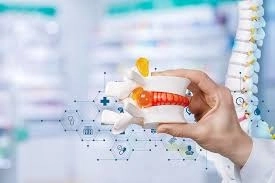
A herniated disc occurs when part of the soft inner material of an intervertebral disc protrudes through its outer layer, placing pressure on nearby spinal nerves. This compression may result in pain, numbness, tingling, or muscle weakness.
Herniated discs most commonly affect the lumbar spine (lower back) or the cervical spine (neck), and treatment depends on the location and severity of the condition.
Several factors increase the risk of developing a herniated disc, including:
Improper lifting techniques
Prolonged sitting
Weak back and abdominal muscles
Age-related degeneration of spinal discs
Obesity and excess body weight
Sports injuries or traumatic accidents
Dr. Ramy Fayez explains that correcting poor daily habits is an important part of both treatment and long-term prevention.
Symptoms vary depending on the location of the affected disc but commonly include:
Lower back or neck pain
Pain radiating into the arm or leg
Numbness or tingling sensations
Muscle weakness
Difficulty walking or moving comfortably
Pain that worsens with coughing, bending, or prolonged sitting
Physical therapy plays a central role in conservative management and focuses on restoring normal function through several therapeutic approaches.
Various treatment techniques, including manual therapy, therapeutic modalities, and heat or cold therapy, help reduce pain and inflammation.
A structured exercise program strengthens the muscles supporting the spine, improving spinal stability and reducing pressure on the affected disc.
Stretching exercises increase muscle flexibility, improve joint mobility, and enhance overall spinal movement.
Patients learn proper posture for sitting, standing, sleeping, and lifting objects, reducing unnecessary stress on the spine.
Physical therapy addresses the underlying mechanical causes of the condition rather than simply treating symptoms, significantly reducing the risk of future episodes.
Dr. Ramy Fayez emphasizes that commitment to scheduled physical therapy sessions and prescribed home exercises leads to excellent outcomes for many patients.
Treatment programs are tailored to each patient's condition and may include:
Manual Therapy
Specialized therapeutic exercises
Deep core muscle strengthening
The Mulligan Technique
Therapeutic ultrasound
Electrical stimulation for nerves and muscles
Comprehensive rehabilitation programs
Dr. Ramy Fayez explains that combining multiple evidence-based techniques according to each patient's needs helps achieve optimal recovery.
Although most patients improve with conservative treatment, surgery may be recommended if there is:
Progressive and significant muscle weakness
Loss of bladder or bowel control
Severe nerve compression that does not respond to conservative treatment
Persistent pain despite appropriate therapy
In these situations, prompt surgical evaluation is essential.
To reduce the risk of developing or recurring herniated discs, patients are encouraged to:
Exercise regularly
Maintain a healthy body weight
Use proper lifting techniques
Practice correct sitting posture
Take regular breaks during prolonged desk work
Continuously strengthen the back and abdominal muscles
Dr. Ramy Fayez emphasizes that following these recommendations alongside a structured rehabilitation program helps maintain spinal health and prevent future injuries.
Physical therapy provides numerous important benefits, including:
Pain relief without surgery in many cases
Improved mobility and flexibility
Strengthening of spinal support muscles
Reduced dependence on pain medications
Faster return to normal daily activities
Long-term prevention of recurrent spinal problems
Dr. Ramy Fayez emphasizes that early diagnosis, individualized treatment planning, and commitment to both supervised therapy sessions and home exercise programs are the key factors for successful recovery and long-term spinal health.